How to Catch Coho Salmon on Lake Ontario: Sodus Point Fishing Guide

Published: November 18, 2026
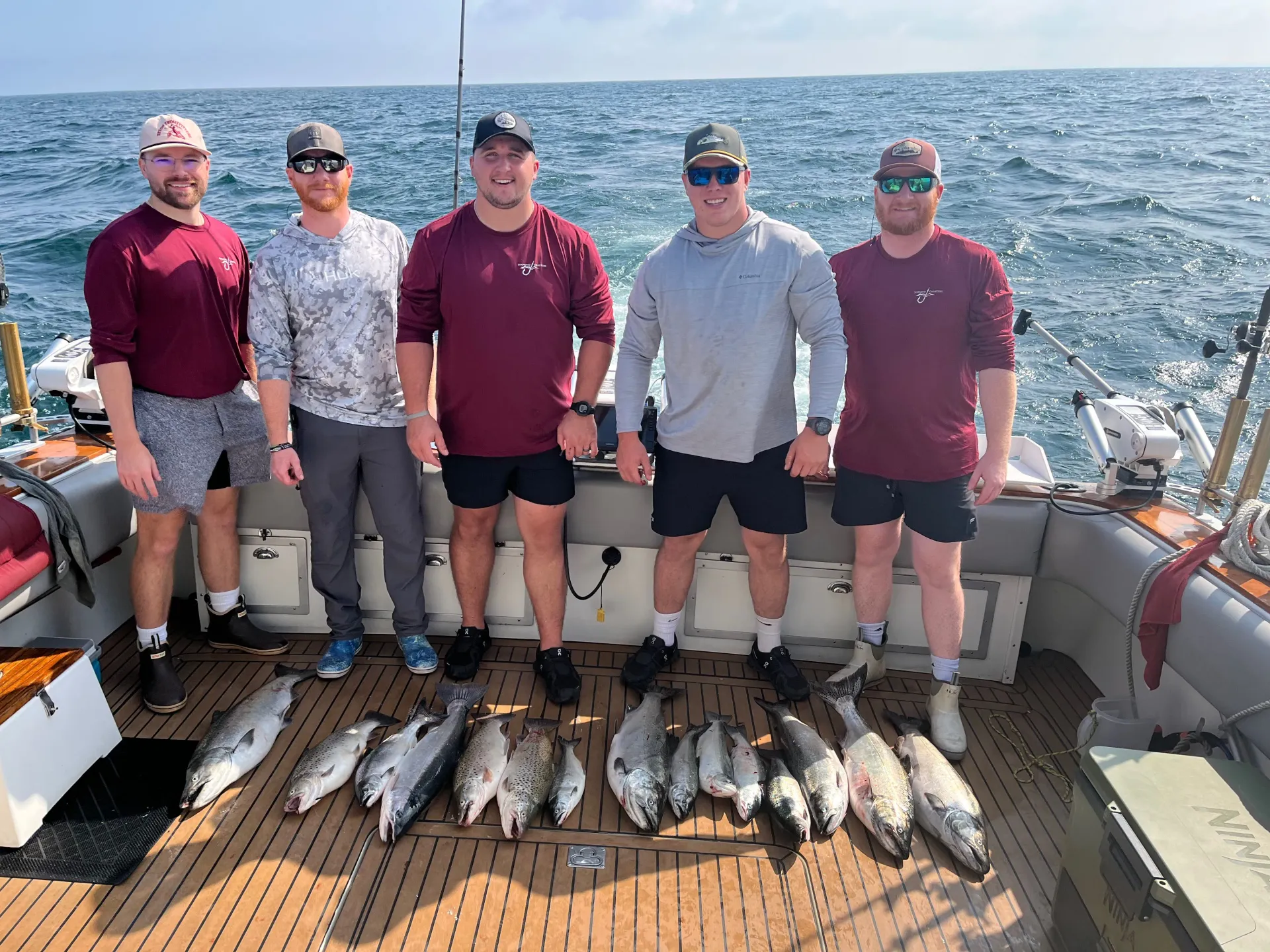
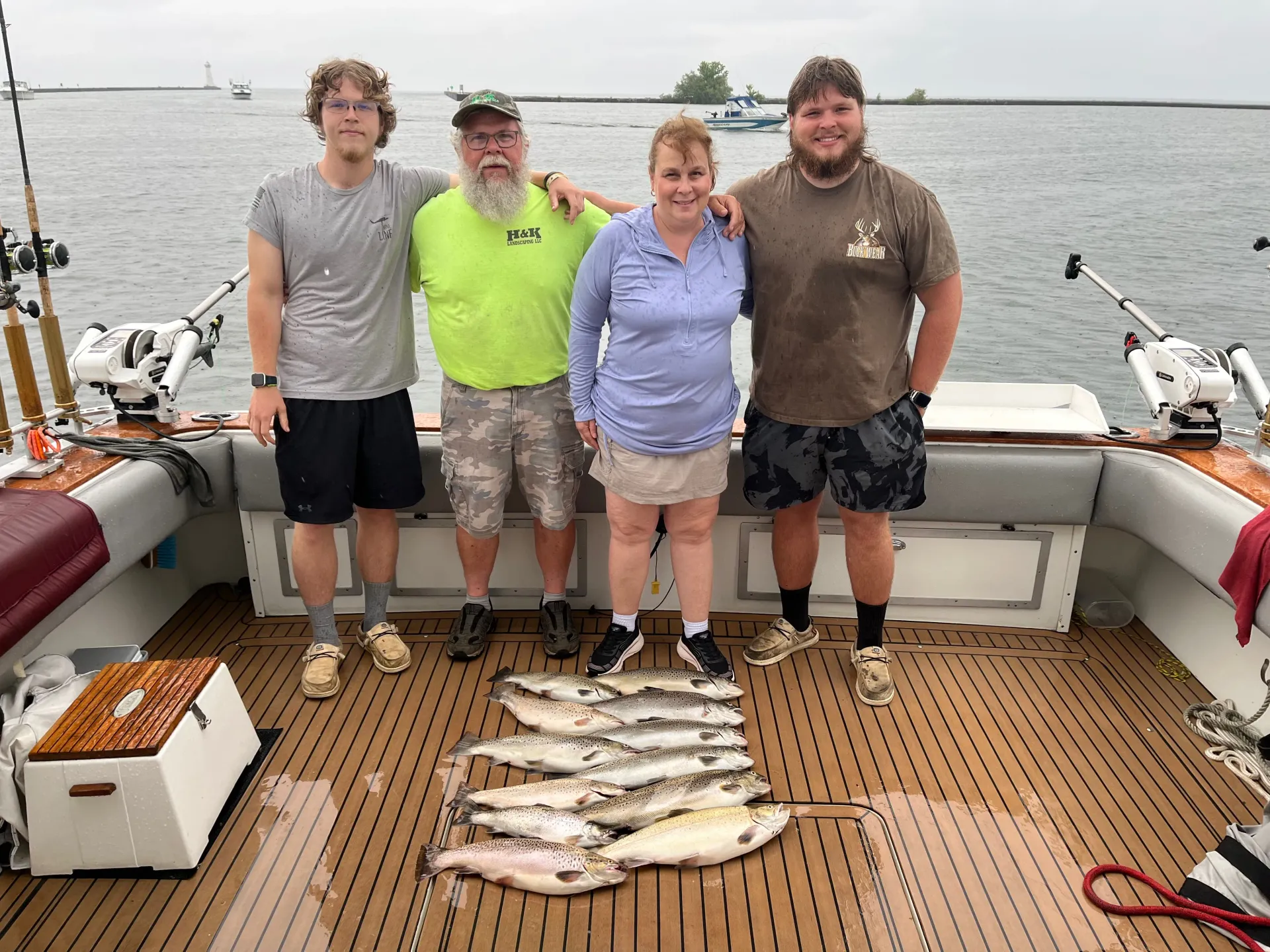
Finding Coho Salmon on Lake Ontario often comes down to locating productive water and presenting a lure at the right depth and speed. Coho Salmon Fishing Lake Ontario around Sodus Point can change with water temperature, depth, baitfish activity, and daily lake conditions. These salmon may shift locations as temperature layers develop and forage moves through different parts of the lake. Trolling allows anglers to cover water while testing different depths, speeds, and lure presentations until the fish are located.
Water temperature and baitfish concentrations can provide useful clues about where to focus the spread, while changing weather and wind can alter conditions throughout the day. For that reason, successful Coho fishing requires more than choosing a lure and dropping lines. Reading the lake and adjusting the presentation to current conditions can make a significant difference during a Sodus Point fishing trip.
Where Should You Look for Coho Salmon on Lake Ontario?
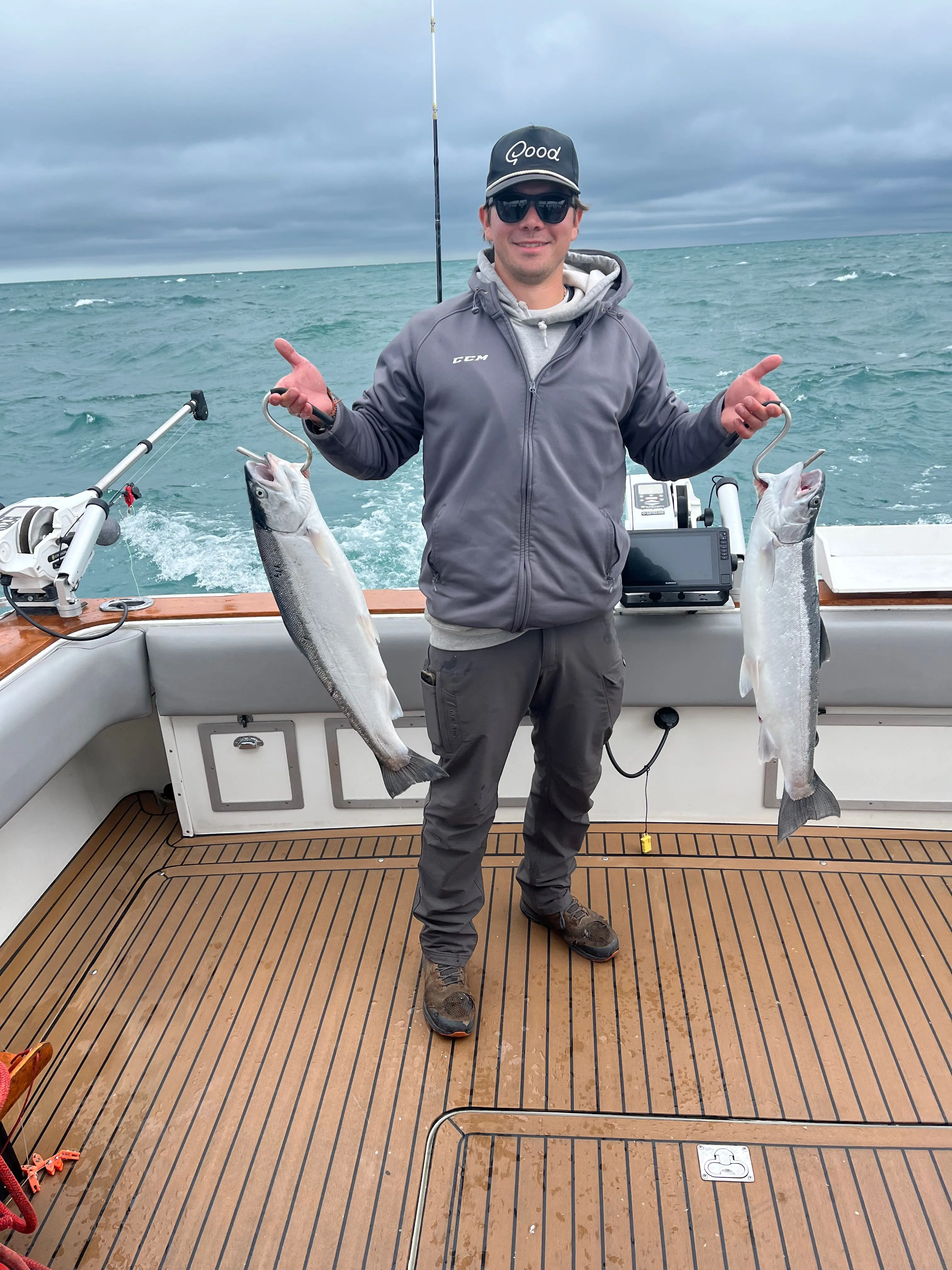
Locating Lake Ontario Coho Salmon starts with reading the water rather than relying on one fixed area or depth. Temperature, forage, depth changes, and the thermocline can all provide clues about where Coho may be holding.
- Start With Water Temperature: Look for productive temperature zones where conditions are suitable for Coho rather than fishing randomly. Temperature breaks can help narrow the search and identify areas worth working with the trolling spread.
- Find the Baitfish: Coho often stay near available forage, making baitfish activity an important clue. Concentrated bait can indicate areas where feeding salmon may be nearby, especially when forage is holding within a specific temperature range.
- Check Depth Changes: Transitions between shallower and deeper water can create different fishing conditions. Coho may shift depth as temperature, forage, wind, and other lake conditions change throughout the day.
- Watch the Thermocline: The thermocline is a layer where water temperature changes rapidly with depth. During warmer months, identifying this layer can help anglers focus their spread within the most relevant part of the water column.
What Depth Should You Fish for Coho Salmon?
There is no single fixed depth for Coho fishing Lake Ontario because salmon location changes with water temperature, baitfish activity, weather, and lake conditions. Start by spreading presentations across different depths, such as shallow, mid-water, and deeper sections, to see where Coho are holding. Downriggers make it easier to place lures at precise depths and compare results. If repeated strikes occur around the same depth, move more of the spread into that zone while keeping some lines at different depths to check for changes.
Depth adjustments should follow what the water is showing. If baitfish and strikes are consistently appearing deeper, lower selected presentations while keeping others higher to confirm the pattern. If fish or forage move upward, raise those presentations accordingly. Changes in water temperature can also require adjustments, especially when the thermocline or a temperature break shifts. Moving lures in measured increments helps identify the productive zone without abandoning other depths too quickly.
What Trolling Setup Works for Coho Salmon?
A productive trolling setup helps anglers test different depths, spread presentations across the water, and identify where Coho are holding. During Coho Salmon fishing Sodus Point, the spread should remain flexible as depth, temperature, baitfish, and fish location change.
Set Up Multiple Depths
Start with lures running at different depths rather than placing the entire spread in one zone. This creates a practical depth test and helps identify where Coho are active. When the first strikes occur, note the depth and presentation that produced them. Additional lures can then be adjusted toward that zone while keeping some lines elsewhere to confirm the pattern.
Use Downriggers
Downriggers use a weighted ball and release system to place trolling lines at controlled depths below the surface. This makes it easier to test specific sections of the water column and maintain consistent lure depth while the boat moves. If Coho repeatedly strike at a certain depth, downriggers allow anglers to reposition additional presentations around that level and continue testing nearby depths.
Use Planer Boards
Planer boards pull selected trolling lines away from the boat, allowing lures to work across a wider section of water. This can help spread presentations horizontally while other lines cover different depths closer to the boat. Boards are particularly useful when anglers want to test multiple water zones without concentrating every lure directly behind the boat, giving the spread broader coverage.
Maintain an Organized Spread
An organized spread gives every lure a specific purpose, such as testing a different depth, distance, speed, or presentation. Avoid placing every line at the same depth because it limits the information gained from each pass. Change only a few variables at a time, then track strikes and depth. This makes it easier to identify which combination is producing consistently.
What Lures Should You Use for Coho Salmon?
Lure selection for Coho should reflect the conditions rather than relying on one universally effective option. Depth, forage, water clarity, light, and trolling speed can all influence how a presentation performs.
- Spoons: Spoons can be useful for trolling because their action changes with speed. Adjusting trolling speed can alter their movement and help match how actively Coho are responding.
- Plugs and Other Trolling Presentations: Changing the profile of a lure can help when salmon are not responding to the current presentation. Consider the size, shape, and movement of available forage when selecting another option.
- Match Lure Size to Baitfish: Pay attention to the size of baitfish in the area. Choosing a lure with a similar profile can make the presentation more consistent with the available forage, without assuming one size works everywhere.
- Adjust Color and Visibility: Water clarity, sunlight, depth, and cloud cover can affect lure visibility. Adjust color and contrast when conditions change, particularly when moving between clearer and darker water.
What Trolling Speed Should You Use for Coho Salmon?
Trolling speed directly affects how a lure moves through the water, so there is no single speed that works for every Coho situation. Start with a controlled pace and watch the lure's action, then adjust based on the lure type, water temperature, and how salmon respond.
During Sodus Point salmon fishing, fish that follow without striking can indicate that the presentation needs a change. Try small speed adjustments rather than making a dramatic change immediately. Slowing down or increasing speed can alter lure movement and help create a more effective presentation. The goal is to find the speed that produces the desired action and generates strikes under current lake conditions.
How Should You Adjust Your Coho Setup When Fish Are Not Biting?
When Coho are not responding, avoid changing everything at once. Work through the setup systematically so each adjustment gives you useful information about depth, temperature, presentation, and fish location.
- Step 1: Change Depth: Move selected presentations above or below the current fishing zone. Test the new depth while keeping some lines at the original level to compare results.
- Step 2: Check Water Temperature: Look for another temperature band nearby. If conditions are more suitable at a different depth, shift part of the spread into that zone.
- Step 3: Change Trolling Speed: Make small speed adjustments to change lure action. This can help trigger fish without requiring a complete change to the spread.
- Step 4: Change the Lure: Adjust the lure's profile, size, color, or movement if depth and speed changes are not producing.
- Step 5: Look for Bait: If baitfish activity is absent, consider relocating to water showing stronger forage activity.
- Step 6: Rebuild the Spread: When one depth, lure, or side of the spread produces, duplicate that productive pattern strategically while continuing to test nearby conditions.
A Step-by-Step Approach to Catching Coho at Sodus Point
Use each step to make a specific decision on the water. Start with current conditions, test the spread, record what produces, and make one adjustment at a time.
- Step 1: Check Water Temperature: Take temperature readings at several depths and note where the water changes noticeably. Use these temperature zones to decide which depths to test first.
- Step 2: Locate Baitfish: Watch your fish finder for concentrated baitfish. Mark areas with consistent forage activity and focus your first trolling passes around those zones.
- Step 3: Identify Likely Depth Zones: Choose several depths based on temperature and baitfish location. Avoid placing every lure at the same level during your initial passes.
- Step 4: Set Multiple Trolling Depths: Run selected lures at different depths and monitor which level produces the first strikes. Keep the productive depth in your rotation.
- Step 5: Spread Your Presentations: Use downriggers to control specific lure depths and planer boards to move selected lines away from the boat, increasing your coverage.
- Step 6: Start With Proven Trolling Lures: Begin with spoons, plugs, or other suitable presentations. Match their size and profile to the baitfish you are seeing.
- Step 7: Monitor Trolling Speed: Watch lure action and make small speed changes. If fish follow without striking, adjust the speed before replacing the entire spread.
- Step 8: Track Every Strike: Record the lure, depth, speed, and position whenever a Coho strikes. Look for repeated patterns instead of relying on one fish.
- Step 9: Adjust the Spread: When one depth or presentation produces repeatedly, move additional lines toward that pattern while keeping a few presentations at different depths.
- Step 10: Move When the Water Stops Producing: If strikes stop despite reasonable adjustments, check temperature and baitfish activity again, then relocate to water showing stronger signs of fish activity.
How a Sodus Point Salmon Charter Can Help You Apply These Techniques?How a Sodus Point Salmon Charter Can Help You Apply These Techniques?
Applying Coho trolling techniques on Lake Ontario requires more than setting lines and waiting for a strike. Conditions can change during a trip, so reading water temperature, baitfish activity, depth, and temperature breaks helps determine where to focus the spread.
A Lake Ontario salmon charter can make that process easier by putting current lake conditions into practice. Experienced guidance can help identify productive water, adjust trolling depth, and work with downriggers and planer boards. At Sodus Point, Diamond J Charters provides this type of local fishing experience, with Captain Jim Del Real bringing more than 35 years of Lake Ontario fishing experience to each trip.
A Sodus Point fishing charter with Diamond J Charters gives anglers access to professional rods, reels, tackle, downriggers, and planer boards. The captain can monitor baitfish, temperature, and fish location throughout the trip, then adjust the trolling spread as conditions change. Trips are available for different group sizes and durations, with fish cleaning, filleting, and packing included.
Conclusion
Successful Coho fishing starts with finding the fish before deciding how to present the lure. Water temperature, baitfish activity, depth changes, and the thermocline can help identify productive areas, while a spread covering multiple depths gives anglers useful information. From there, trolling speed, lure selection, downrigger settings, and planer board positions can be adjusted based on what the water is showing. Tracking strikes and making controlled changes helps refine the pattern instead of relying on one fixed approach. If you are planning a Coho trip around Sodus Point, contact Diamond J Charters to book your time on Lake Ontario.
FAQs
- What is the best way to catch Coho Salmon on Lake Ontario?
Start by locating suitable water through temperature and baitfish activity, then test multiple depths with a controlled trolling spread. Adjust speed, depth, and lure selection based on results. - What depth should you fish for Coho Salmon?
There is no fixed Coho depth. Start by covering several levels, then focus more presentations around the depth producing repeated strikes while continuing to monitor temperature and baitfish. - What lures work best for Coho Salmon?
Spoons, plugs, and other trolling lures can produce Coho. Select based on baitfish size, water clarity, depth, light conditions, and the action created at your trolling speed. - Is trolling effective for Coho Salmon fishing?
Yes, trolling allows anglers to cover water while testing different depths, speeds, and lure presentations. It also makes systematic adjustments easier when Coho location changes. - How do downriggers help catch Coho Salmon?
Downriggers place lures at controlled depths, allowing anglers to target specific parts of the water column. They are especially useful when strikes repeatedly occur within one depth zone. - How do you find Coho Salmon around Sodus Point?
Look for productive temperature zones, baitfish concentrations, depth changes, and thermocline areas. These conditions can help narrow the search before setting a trolling spread. - How should you change your setup when Coho are not biting?
Change one variable at a time, starting with depth. Then test temperature zones, trolling speed, lure profile, color, and baitfish locations before rebuilding the spread or relocating. - How does water temperature affect Coho Salmon fishing?
Water temperature helps identify suitable areas and temperature breaks. Changes can shift Coho depth and location, so anglers should monitor temperature throughout the trip and adjust presentations accordingly. - How important is trolling speed when targeting Coho Salmon?
Trolling speed controls lure action and should be adjusted according to lure type, water temperature, and fish response. Small changes can alter movement and trigger strikes. - How should you use planer boards for Coho Salmon?
Planer boards move selected lines away from the boat, expanding coverage across the water. Combine them with different depths and presentations to test multiple areas simultaneously.