%2Ffit-in%2F250x250%2Fguide_websites%2F120578%2Fimages%2F1776447172622image-2026-04-17t133240.896.jpg&w=1920&q=100)
/users/8e939418-f2c1-4773-bacc-ac68dcb74fce/ratecard/480874294_986042283592944_8856961091290704723_n-mmcpsmkr.jpg)
%2F300x300%2Fusers%2F8e939418-f2c1-4773-bacc-ac68dcb74fce%2Fratecard%2F480874294_986042283592944_8856961091290704723_n-mmcpsmkr.jpg&w=256&q=75)
%2F300x300%2Fusers%2F8e939418-f2c1-4773-bacc-ac68dcb74fce%2Fimages%2Fsodus-point-salmon-fishing-charter-2621.jpg&w=256&q=75)
%2F300x300%2Fusers%2F8e939418-f2c1-4773-bacc-ac68dcb74fce%2Fimages%2Fchinook-salmon-sodus-point-charter-2530.jpg&w=256&q=75)
%2F300x300%2Fusers%2F8e939418-f2c1-4773-bacc-ac68dcb74fce%2Fimages%2Fsodus-point-salmon-charter-success-2633.jpg&w=256&q=75)
%2F300x300%2Fusers%2F8e939418-f2c1-4773-bacc-ac68dcb74fce%2Fimages%2Fcoho-salmon-sodus-point-fishing-2587.jpg&w=256&q=75)
%2F300x300%2Fusers%2F8e939418-f2c1-4773-bacc-ac68dcb74fce%2Fimages%2Flake-trout-dolly-varden-sodus-2539.jpg&w=256&q=75)
%2F300x300%2Fusers%2F8e939418-f2c1-4773-bacc-ac68dcb74fce%2Fimages%2Fsodus-point-tuna-salmon-catch-2501.jpg&w=256&q=75)
%2F300x300%2Fusers%2F8e939418-f2c1-4773-bacc-ac68dcb74fce%2Fimages%2Fcoho-salmon-sodus-point-fishing-2650.jpg&w=256&q=75)
%2F300x300%2Fusers%2F8e939418-f2c1-4773-bacc-ac68dcb74fce%2Fimages%2Fsodus-point-fishing-charter-catch-2527.jpg&w=256&q=75)
%2F300x300%2Fusers%2F8e939418-f2c1-4773-bacc-ac68dcb74fce%2Fimages%2Fsodus-point-salmon-fishing-charter-2606.jpg&w=256&q=75)
%2F300x300%2Fusers%2F8e939418-f2c1-4773-bacc-ac68dcb74fce%2Fimages%2Fchinook-salmon-sodus-point-fishing-2694.jpg&w=256&q=75)
Sodus Point Spring Trout Salmon Lake Trip
 Lake Ontario
What you will be catching:
 Brown Trout
 Chinook Salmon
 Coho Salmon
 Lake Trout
 Steelhead Trout
- Eight-hour Lake Ontario charter targeting Brown Trout, Steelhead, and Lake Trout
- Professional trolling equipment, tackle, and fish cleaning services included
- Light-tackle techniques suitable for all skill levels and group sizes
Trip Pricing and Availabilities:
Spring Lake Ontario Trout and Salmon Adventure
Picture this: the ice has finally broken up on Lake Ontario, the water's warming, and those big browns and steelhead are fired up and ready to eat. That's exactly what you'll find on Diamond J Charters' Spring Special – an eight-hour guided trip that puts you right in the middle of some of the best early-season action on the Great Lakes. We're talking about targeting active fish along the shoreline structure where they're staging before their spawning runs, and let me tell you, when these fish are hot, they're absolutely hot. This top-rated charter accommodates up to four anglers, making it perfect for a small group of friends or family who want to experience world-class fishing without the crowds you'll see later in the season.
What to Expect on the Water
We launch from Sodus Point, one of the premier fishing ports on the New York side of Lake Ontario, and head out to work the productive near-shore waters where these fish are most active in April. The beauty of this spring bite is that we're not running way out into the deep water – we're working closer to shore where the baitfish are concentrated and the water temperatures are just right. You'll spend eight solid hours on the water with a seasoned captain who knows these waters like the back of his hand, and all the professional trolling gear, rods, and tackle are included in your trip. We'll clean and package your catch at the end of the day, so all you need to worry about is bringing your fishing license, some soft-soled shoes, rain gear, and a cooler big enough for your haul. This customer favorite trip works great for beginners and experienced anglers alike – our light-tackle approach gives everyone a real chance to feel the fight these fish are famous for.
Trolling Tactics That Work
Spring trolling on Lake Ontario is all about matching the hatch and understanding where these fish are positioned as the water starts to warm up. We'll be running a spread of downriggers, planer boards, and lead-core setups to cover different depths and present our lures at the precise level where fish are feeding. The key this time of year is working the thermal bar – that narrow band where warmer inshore water meets the colder offshore water, creating a natural feeding zone that concentrates baitfish and attracts predators. We use specialized spoons, plugs, and cut bait rigs that mimic the emerald shiners, alewives, and smelt that make up the bulk of the forage base. The light-tackle approach means you'll be fishing with gear that's perfectly matched to the size and fight of these fish, giving you maximum enjoyment when that rod tip starts bouncing and the drag starts screaming. Our captain will handle all the technical aspects – setting lines, adjusting depths, and reading the electronics – while you focus on the fun part of bringing fish to the net.
Top Catches This Season
Brown Trout are the absolute stars of this spring fishery, and for good reason – these fish have been feeding heavily all winter and they're in prime condition as they start their pre-spawn movements. Lake Ontario browns are legendary for their size and fighting ability, with fish in the 8 to 15-pound range being pretty common, and always the possibility of hooking into something truly special in the 20-plus pound category. They're most active in water temperatures between 45 and 55 degrees, which is exactly what we find in April along the shoreline structure. What makes browns so exciting is their unpredictable nature – they might come up slowly and then make a blistering run, or they could jump clear out of the water and try to throw the hook with aerial acrobatics.
Steelhead Trout are another customer favorite during this spring bite, and these chrome-bright fish are absolute rockets when they hit your line. Fresh from their winter feeding in the deep water, steelhead in the 6 to 12-pound range are common, and they fight like fish twice their size. They're incredibly acrobatic, known for their jumping ability and long, powerful runs that will test your drag system and your nerves. April is prime time for steelhead as they stage near tributary mouths before their spawning runs, making them aggressive and willing to hit a variety of presentations.
Chinook Salmon start showing up in better numbers as April progresses, and even the smaller "jack" chinooks in the 3 to 8-pound range provide outstanding action on light tackle. These fish are built for power, with broad shoulders and incredible stamina that makes every hookup a memorable battle. The bigger mature chinooks that we occasionally hook into can exceed 20 pounds and provide the kind of fight that anglers talk about for years.
Coho Salmon are the acrobats of the salmon family, and when they're active in the spring bite, they provide some of the most exciting fishing you'll find anywhere. These silver bullets typically run 4 to 8 pounds during the spring months, and they're famous for their jumping ability and lightning-fast runs. Cohos often travel in schools, so when you find one, you'll often find several, leading to some fast and furious action that gets everyone on the boat involved.
Lake Trout round out our target species list, and while they're typically thought of as deep-water fish, the spring months bring them into shallower water where they're accessible to our trolling presentations. Lakers are the bulldogs of the trout family – they don't jump much, but they provide a steady, powerful fight that will put a serious bend in your rod. Fish in the 5 to 15-pound range are most common, though Lake Ontario is famous for producing some true giants that can exceed 30 pounds.
Time to Book Your Spot
This renowned spring special represents some of the best value fishing you'll find on the Great Lakes – eight hours of guided fishing with all gear included, professional fish cleaning service, and the chance to hook into multiple species of world-class game fish. The April bite window
Learn more about the species
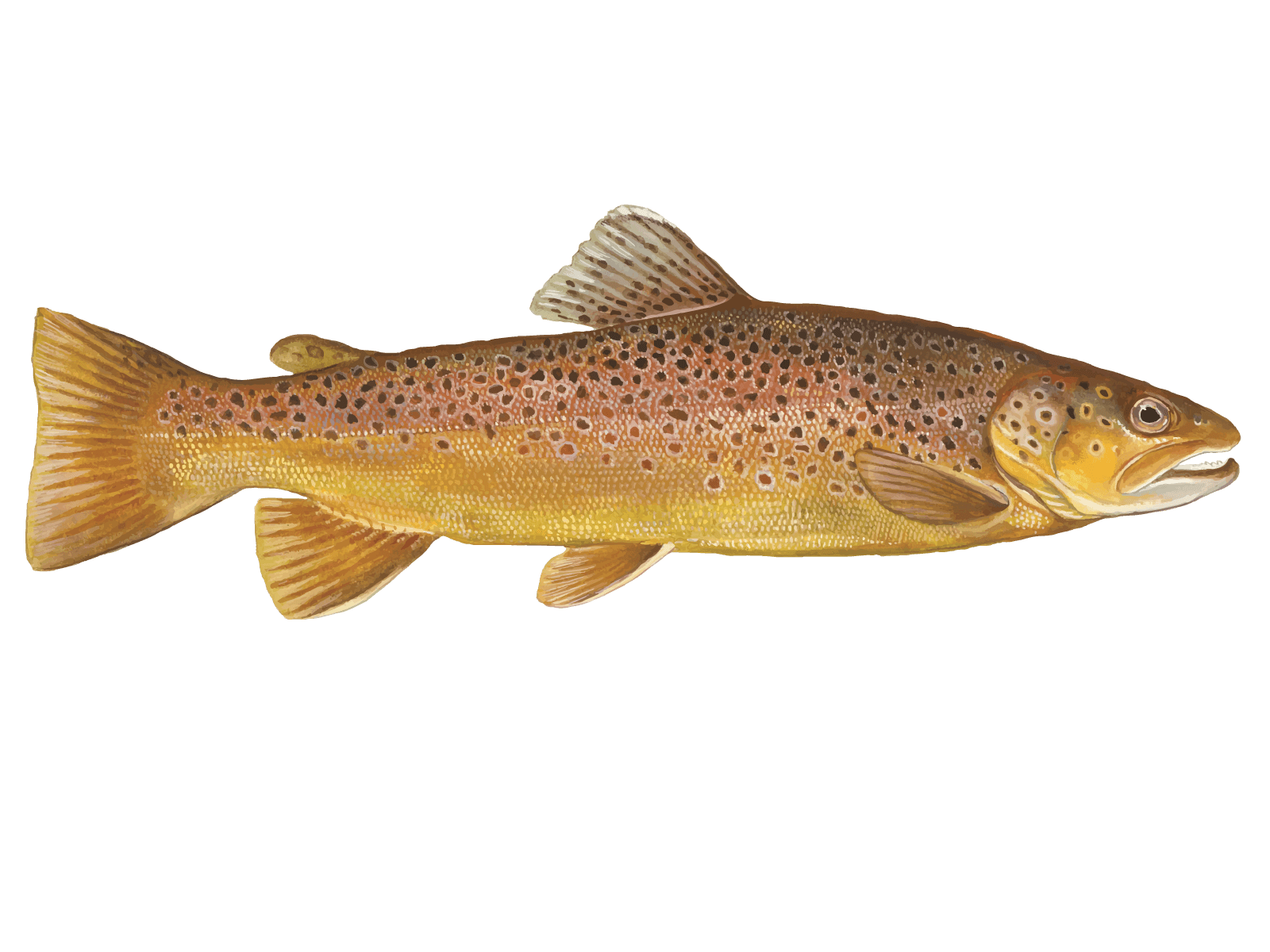
Brown Trout
Brown trout are the craftiest fish in Lake Ontario and probably the best eating too. These golden-brown beauties average 8-24 inches but the lake grows some real monsters pushing 30+ inches. They're smart, spooky, and prefer structure like rocky drop-offs and temperature breaks where they can ambush prey. Spring fishing is fantastic because they move shallow to feed aggressively before spawning season. What makes browns special is their wariness - they'll follow lures forever, testing your patience, but when they commit it's explosive. The meat has that classic mild trout flavor that's hard to beat on the table. They're known for living long and growing big in Lake Ontario's cold, clean water. Here's the trick: browns often hit right at boat-side when they see the rigger balls, so always be ready with a net when bringing lines in.
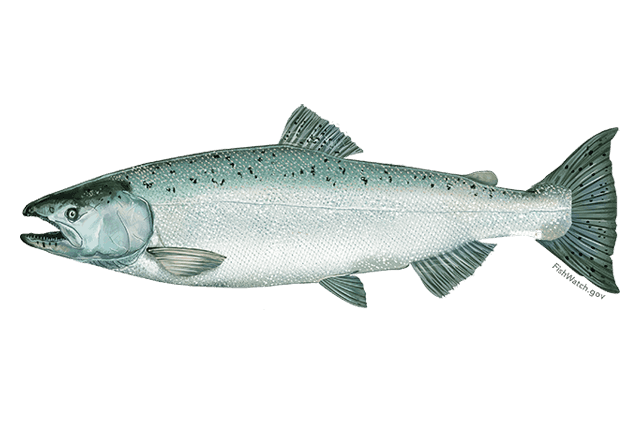
Chinook Salmon
King salmon are the heavyweight champions of Lake Ontario, and for good reason - these bruisers can push 20-30 pounds and fight with serious attitude. They've got dark mouths, black spots everywhere, and that deep silver coloring that screams "big fish." Kings prefer deeper, colder water and are light-sensitive, so they usually stay down in the 40-80 foot range during daylight. Spring brings them closer to shore to feed, making our trips perfect timing. What makes kings special is the combination of size, fight, and incredible table quality - that deep red meat is as good as it gets. They're bulldogs that just keep pulling, testing everything you've got. Local secret: run your flasher-fly combos deep and slow in early morning - kings will follow that setup for a long time before committing to bite.
Coho Salmon
Coho salmon are some of the most acrobatic fighters you'll encounter on Lake Ontario. These silver-sided beauties typically run 8-12 pounds and are known for their impressive jumps - they can leap up to 6 feet out of the water when hooked. You'll find them cruising the shoreline areas during our spring trips, especially early morning when they're actively feeding on alewives and smelt. What makes cohos special is their aggressive nature and that bright orange-red meat that's perfect for the dinner table. They hit hard and don't give up easy, making for some serious arm-burning fights. Here's a local tip: when trolling for cohos, try running your spoons about 15-20 feet down on the riggers near temperature breaks - that's where they like to hunt.
Lake Trout
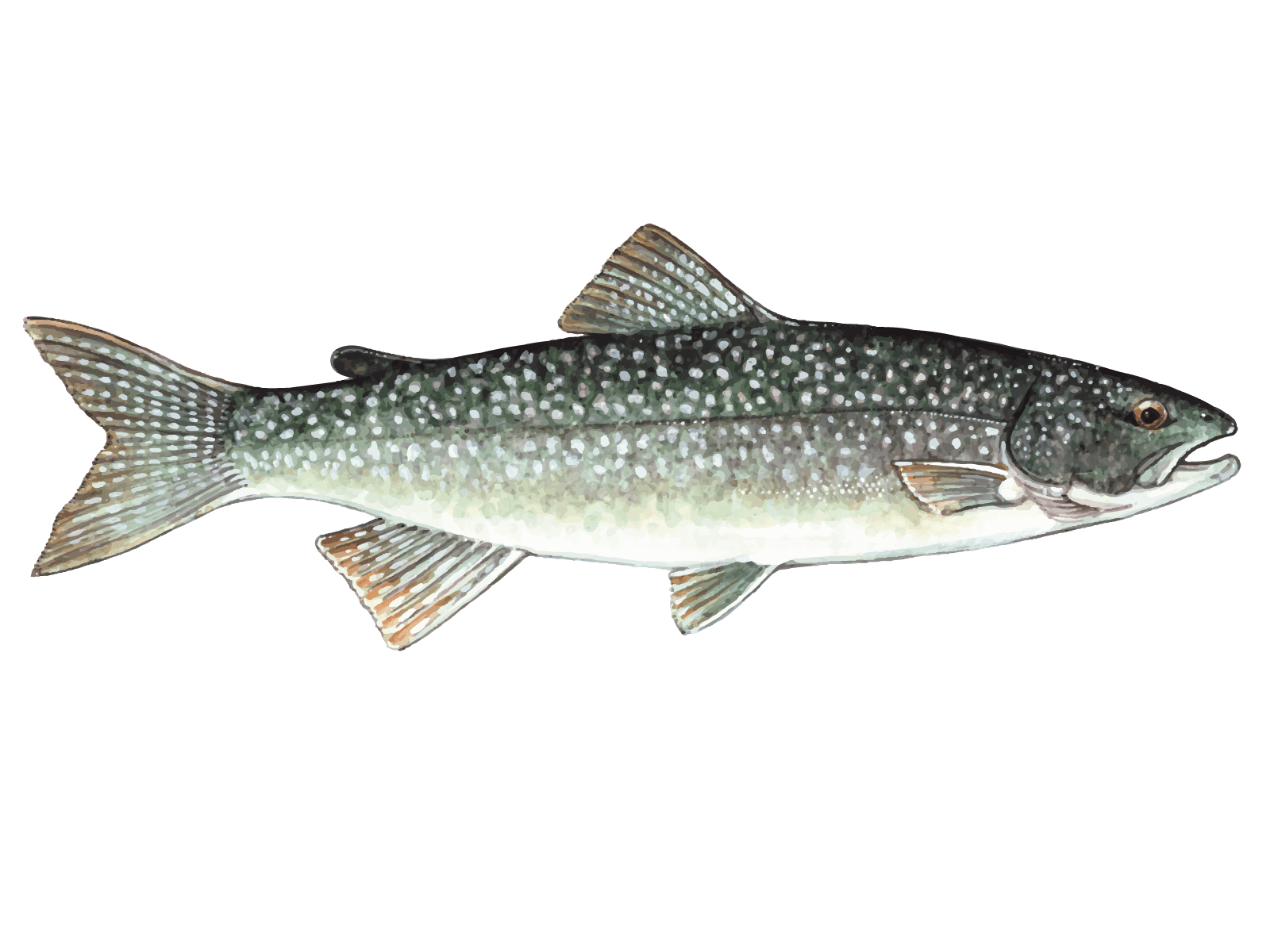
Lake trout are the deep-water natives of Lake Ontario and the biggest member of the char family you'll encounter. These grey-green giants with cream-colored spots typically run 15-40 pounds and live their entire lives in the lake's coldest, deepest water. During spring, they move up to shallower areas around 40-100 feet, making them accessible on our trips. Lakers are powerful, steady fighters that just keep pulling without the flashy jumps - it's all muscle and endurance. The meat is rich and oily, perfect for smoking or grilling. What's cool about lake trout is they can live 40+ years and represent the original character of these Great Lakes. My advice: when you hook a laker, don't horse it - let your drag work and enjoy the long, steady battle. They've got soft mouths, so steady pressure beats aggressive pumping every time.
Steelhead Trout
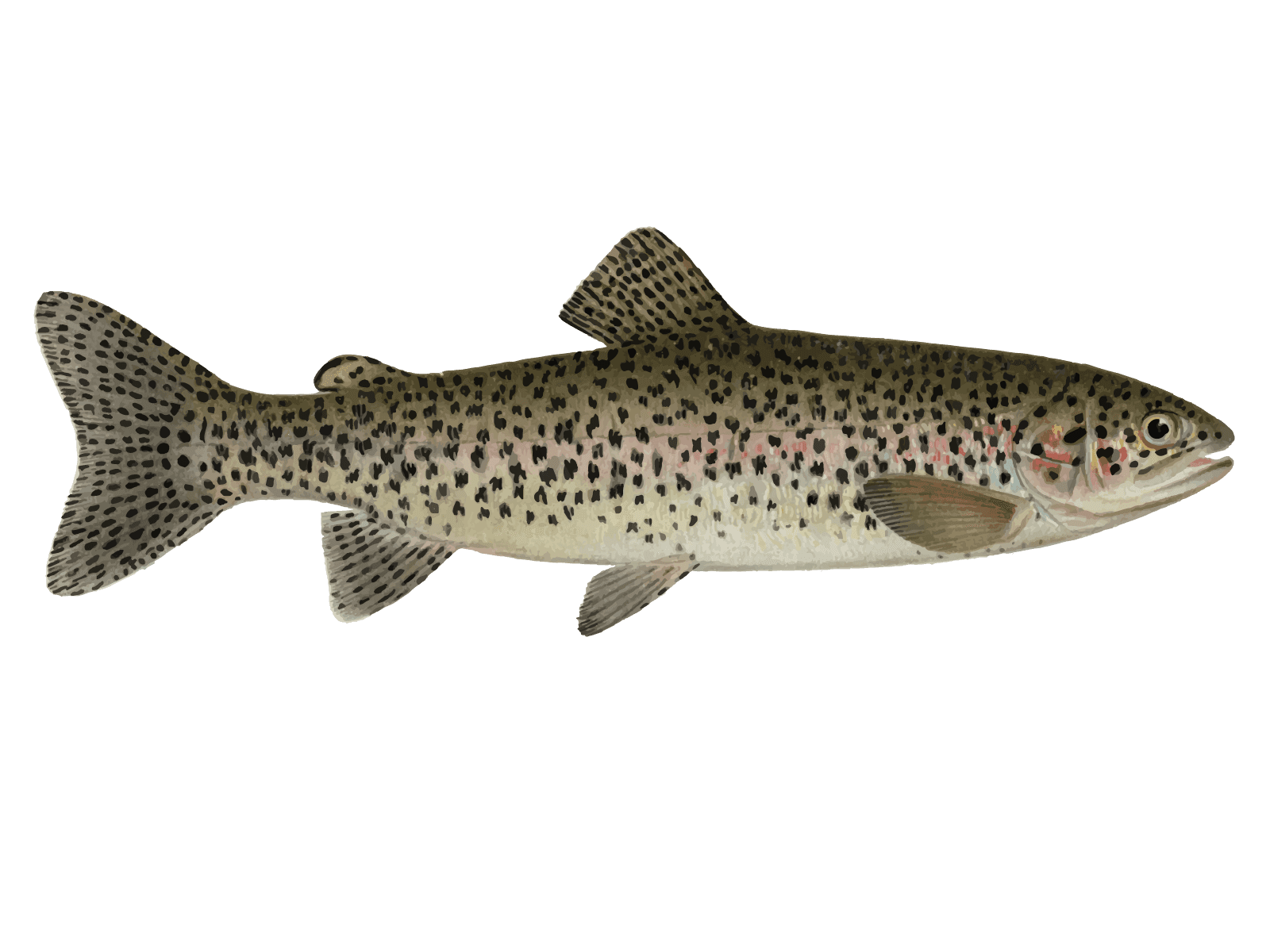
Steelhead are basically rainbow trout that have lived the good life in the big lake, growing thick and strong on a diet of alewives. These chrome-sided rockets average 24 inches but can push well over 30, and they fight like they're twice their size. Spring is prime time when they move shallow to feed along structure and drop-offs. What sets steelhead apart is their endurance - they'll make long screaming runs that'll test your drag and your patience. The meat is excellent, with that classic trout flavor but richer from their lake diet. Most anglers fall in love with steelhead after hooking their first one. Pro tip: when you see them jumping and rolling on the surface in spring, downsize your presentation and slow your trolling speed - they can be finicky when they're up high in the water column.
About the Diamond J
%2F%2Fusers%2F8e939418-f2c1-4773-bacc-ac68dcb74fce%2Fvehicle_picture%2F476798343_978408984356274_1311951759636792927_n-mmco3q54.jpg&w=1920&q=75)
Vehicle Guest Capacity: 6
Manufacturer Name: Chevrolet 454
Maximum Cruising Speed: 30
Number of Engines: 2
Horsepower per Engine: 250