%2Ffit-in%2F250x250%2Fguide_websites%2F120578%2Fimages%2F1776447172622image-2026-04-17t133240.896.jpg&w=1920&q=100)
/users/8e939418-f2c1-4773-bacc-ac68dcb74fce/ratecard/577195726_1178592231004614_7513963142854807153_n-mmcrayoc.jpg)
%2F300x300%2Fusers%2F8e939418-f2c1-4773-bacc-ac68dcb74fce%2Fratecard%2F577195726_1178592231004614_7513963142854807153_n-mmcrayoc.jpg&w=256&q=75)
%2F300x300%2Fusers%2F8e939418-f2c1-4773-bacc-ac68dcb74fce%2Fimages%2Fsodus-point-salmon-fishing-charter-2621.jpg&w=256&q=75)
%2F300x300%2Fusers%2F8e939418-f2c1-4773-bacc-ac68dcb74fce%2Fimages%2Fchinook-salmon-sodus-point-charter-2530.jpg&w=256&q=75)
%2F300x300%2Fusers%2F8e939418-f2c1-4773-bacc-ac68dcb74fce%2Fimages%2Fsodus-point-salmon-charter-success-2633.jpg&w=256&q=75)
%2F300x300%2Fusers%2F8e939418-f2c1-4773-bacc-ac68dcb74fce%2Fimages%2Fcoho-salmon-sodus-point-fishing-2587.jpg&w=256&q=75)
%2F300x300%2Fusers%2F8e939418-f2c1-4773-bacc-ac68dcb74fce%2Fimages%2Flake-trout-dolly-varden-sodus-2539.jpg&w=256&q=75)
%2F300x300%2Fusers%2F8e939418-f2c1-4773-bacc-ac68dcb74fce%2Fimages%2Fsodus-point-tuna-salmon-catch-2501.jpg&w=256&q=75)
%2F300x300%2Fusers%2F8e939418-f2c1-4773-bacc-ac68dcb74fce%2Fimages%2Fcoho-salmon-sodus-point-fishing-2650.jpg&w=256&q=75)
%2F300x300%2Fusers%2F8e939418-f2c1-4773-bacc-ac68dcb74fce%2Fimages%2Fsodus-point-fishing-charter-catch-2527.jpg&w=256&q=75)
%2F300x300%2Fusers%2F8e939418-f2c1-4773-bacc-ac68dcb74fce%2Fimages%2Fsodus-point-salmon-fishing-charter-2606.jpg&w=256&q=75)
%2F300x300%2Fusers%2F8e939418-f2c1-4773-bacc-ac68dcb74fce%2Fimages%2Fchinook-salmon-sodus-point-fishing-2694.jpg&w=256&q=75)
Diamond J Lake Trout Steelhead Charter Sodus Point
 Lake Ontario
What you will be catching:
 Brown Trout
 Chinook Salmon
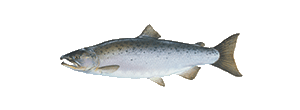 Coho Salmon
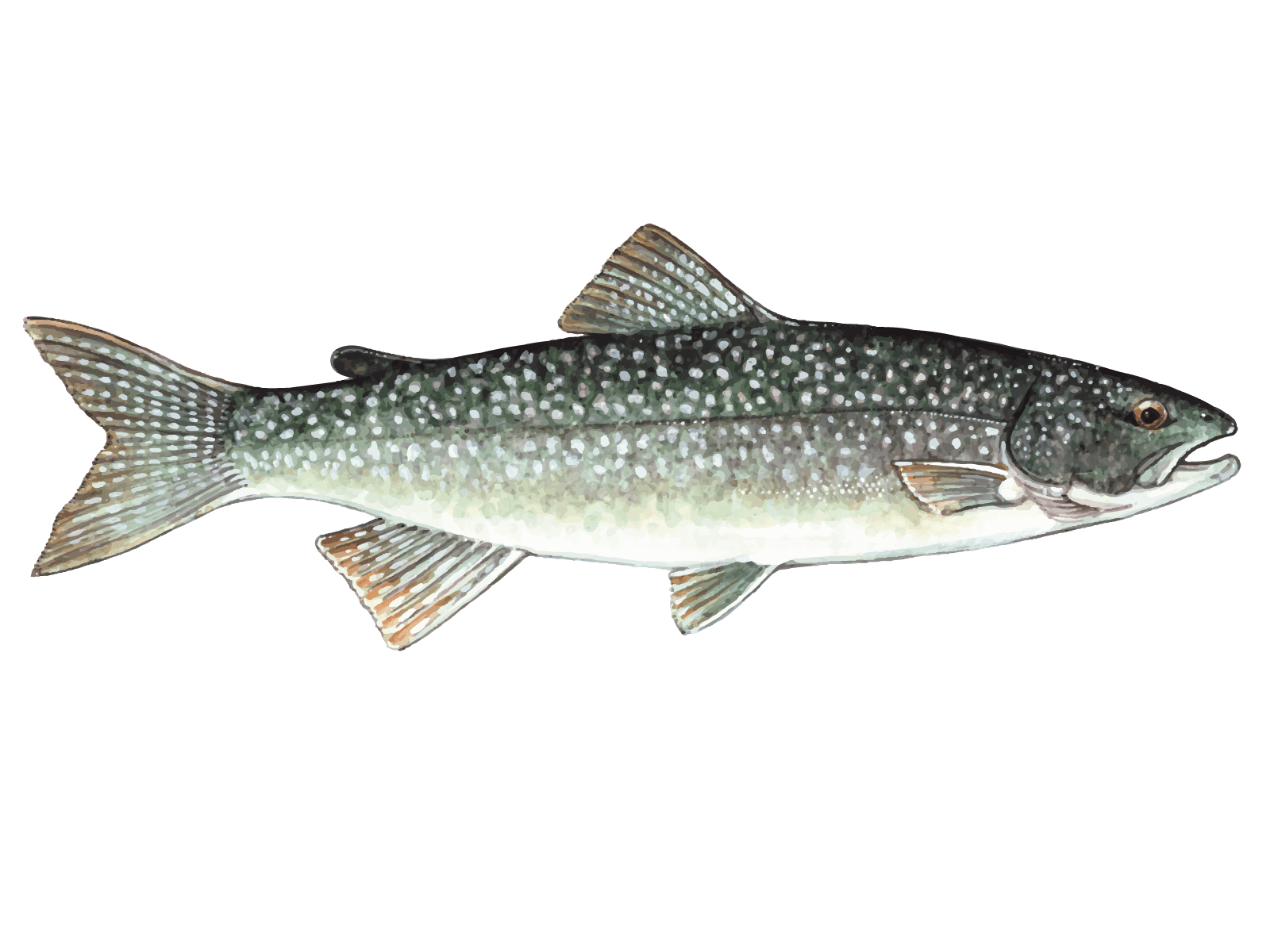
 Lake Trout
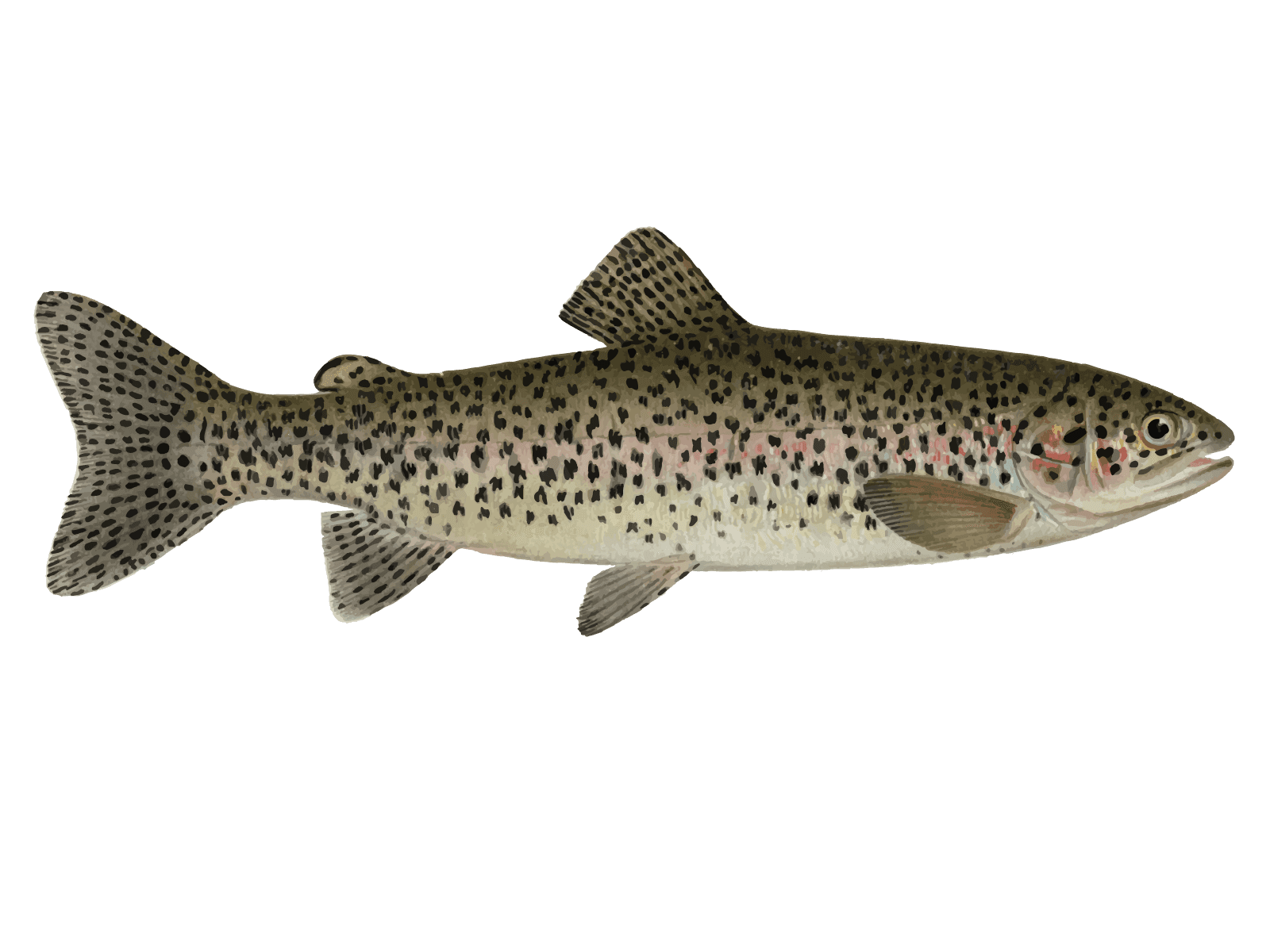
 Steelhead Trout
- Eight-hour Lake Ontario charter targeting five salmon and trout species
- All professional tackle, gear, and fish cleaning services included
- Expert captain guidance at prime Sodus Point fishing locations
Trip Pricing and Availabilities:
Lake Ontario Salmon and Trout Charter for Two
Picture this: you and your fishing buddy heading out on Lake Ontario at dawn, lines in the water by sunrise, chasing some of the best salmon and trout fishing in the Great Lakes. That's exactly what you'll get with Diamond J Charters out of Sodus Point. This isn't your typical crowded charter boat experience – we're talking about a dedicated eight-hour trip designed specifically for two anglers who want the personal attention and prime fishing spots that only come with a smaller group.
What to Expect on the Water
Your day starts early at Sodus Point, one of Lake Ontario's top-rated fishing ports. Captain will have all the professional tackle ready to go – we're talking downriggers, planer boards, and the kind of setups that serious Great Lakes anglers swear by. The beauty of fishing for just two people means you're not fighting for rod space or waiting your turn when the action heats up. You'll spend the full eight hours trolling the productive waters off the New York shoreline, targeting the deeper channels and temperature breaks where big fish hang out. The captain knows these waters like the back of his hand, adjusting depths and locations based on what's biting and where the baitfish are schooling. Don't worry about bringing tackle – everything's included, plus they'll clean and pack your catch so it's ready for the freezer.
Trolling the Great Lakes Way
Lake Ontario trolling is an art form, and you'll see why it's the go-to method for serious salmon and trout hunters. We're running multiple lines at different depths using downriggers and planer boards to cover maximum water. The boat stays moving at trolling speed while lines sweep through the strike zone where these predators cruise. You'll learn to read the fish finder, watch for temperature breaks, and understand why certain lure colors work better on cloudy days versus bright sun. The tackle setup includes everything from spoons and flashers to plugs and flies – whatever's working that day. When a rod goes off, you'll know it immediately. These fish don't mess around, and neither should you. Keep your camera ready because the fight is half the fun, especially when you hook into a mature King salmon that wants to make multiple runs.
Species You'll Want to Hook
Chinook Salmon are the kings of Lake Ontario, and for good reason. These bruisers can top 30 pounds and fight like nothing else in freshwater. Peak season runs from late spring through early fall, with the biggest fish showing up in late summer as they prepare for their spawning runs. What makes them special is their raw power – a big King will strip line off your reel and test every knot you tied. The thrill comes from that first run when the rod doubles over and the drag starts screaming.
Coho Salmon might be smaller than their Chinook cousins, but they make up for it with acrobatics. These silver bullets love to jump, and a hooked Coho will put on an aerial show that'll have you scrambling for the net. They're most active from mid-spring through late summer, often found in slightly shallower water than Kings. Coho also make excellent table fare – their meat is firm and flavorful, perfect for the grill or smoker.
Steelhead Trout are Lake Ontario legends, known for their incredible fighting ability and beautiful chrome sides. These are essentially rainbow trout that have adapted to Great Lakes life, growing much larger than their stream cousins. Spring and fall are prime times, especially when water temperatures are in that sweet spot. What anglers love about Steelhead is their unpredictability – they might make long runs, jump repeatedly, or simply dig deep and bulldoze. Each fish fights differently.
Brown Trout are the crafty veterans of Lake Ontario, often the hardest to fool but worth the effort. These fish can live for years and grow to impressive sizes, with the biggest specimens being true trophies. They're most active during cooler months and low-light conditions. Browns have a reputation for being line-shy and tackle-conscious, making them a favorite target for experienced anglers who appreciate the challenge.
Lake Trout represent the deep-water specialists, often found in the coldest, deepest parts of the lake. These native fish can live for decades and reach substantial sizes. While they might not jump like a Steelhead or run like a King, Lakers are powerful fish that use their weight and the depth to their advantage. They're particularly active in spring and late fall when they move into shallower water, making them more accessible to trolling presentations.
Time to Book Your Spot
This Lake Ontario charter delivers everything serious anglers want – professional guidance, top-notch equipment, and access to some of the best salmon and trout fishing in North America. The two-person limit means you're not sharing the experience with strangers or waiting for others to land their fish. Remember to grab your New York fishing license, pack that large cooler, and bring soft-soled shoes that won't mark up the deck. If you're prone to motion sickness, start taking your medication 24 hours before departure – trust me on this one. Whether you're a weekend warrior or a seasoned Great Lakes angler, this charter offers the kind of personalized fishing experience that keeps customers coming back year after year. Lake Ontario's salmon and trout fishing is world-class, and there's no better way to experience it than with a dedicated guide who knows where the fish are biting.
Learn more about the animals
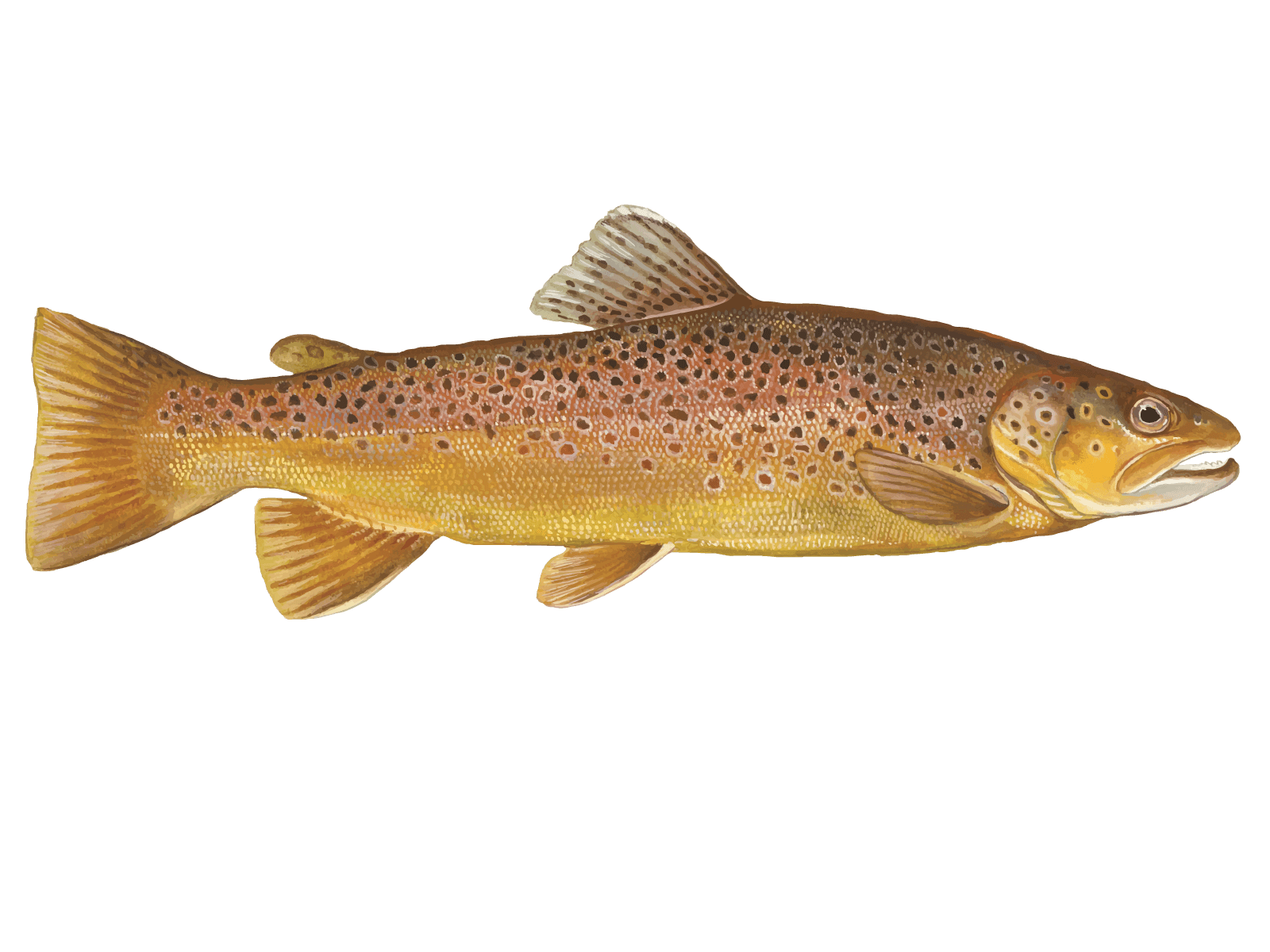
Brown Trout
Brown trout are the smart ones - they're cautious, structure-oriented fish that can live over 15 years and grow quite large in Lake Ontario. Most run 18-26 inches and 3-8 pounds, but we see plenty of 10-pounders each season. They love rocky areas, drop-offs, and anywhere there's cover during daylight hours. Browns are most active in low-light conditions, making early morning and evening prime time. What anglers love about them is the challenge - they're finicky feeders that require finesse. The golden-brown sides with black spots and reddish fins make them beautiful fish, plus the meat is excellent with a mild, sweet flavor. Fall is peak season when they feed aggressively before spawning. Local secret: browns often follow salmon during the spawn to eat eggs, so don't overlook areas where we've been catching kings.
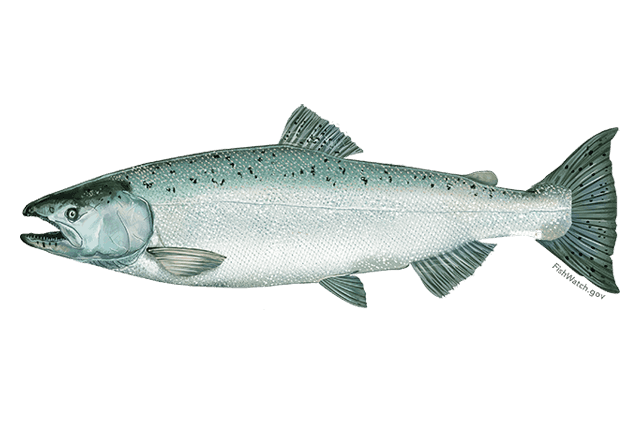
Chinook Salmon
King salmon are the heavyweight champions of Lake Ontario, and for good reason - these monsters average 15-25 pounds with 30-pounders showing up regularly each season. They're light-sensitive fish that prefer deeper water, usually 80-200 feet, hugging the thermocline where baitfish concentrate. Kings have distinctive black mouths and gums, plus spots on their backs and tails. The fight is more about raw power than acrobatics - they'll make deep, bulldogging runs that really test your equipment. Their rich, red meat is prime table fare. Early morning and evening produce the best action, especially late summer through fall. Since they stay deep, we run heavy tackle and downriggers to get lures down to their level. Key tip: when you hook one, let it run initially - trying to stop that first charge often results in a broken line.
Coho Salmon
Coho salmon, also called silver salmon, are some of the most acrobatic fighters you'll encounter on Lake Ontario. These beauties average 8-12 pounds and run 12-30 inches, though we've seen some real tanks push over 20 pounds out here. They cruise the open waters feeding on alewives and smelt, typically holding in 60-120 feet during summer months. What makes coho special is their aerial show - they'll jump clean out of the water multiple times during the fight. The meat is bright orange-red and tastes fantastic. Spring through early summer offers the best action when they're actively feeding. Pro tip: when trolling spoons, vary your speed between 2-3 mph - coho love that erratic action when you kick it up a notch then slow back down.
Lake Trout
Lakers are the deep-water specialists of Ontario, living year-round in the coldest, deepest parts of the lake - often 100-300 feet down. These char family members are built for the abyss with their grey-green coloring and cream-colored markings. They grow slowly but get big, averaging 24-36 inches and 15-25 pounds, with some real giants pushing 40-plus. Unlike salmon, lakers don't jump much but they're bulldogs that use the deep water to their advantage. The pale, flaky meat is excellent eating with a mild flavor. Spring right after ice-out and late fall offer the best chances when they move slightly shallower. Since they live so deep, we use heavy jigs and downriggers to reach them. Pro tip: once you find fish, mark the GPS coordinates - lakers tend to use the same deep structure repeatedly, especially around humps and drop-offs.
Steelhead Trout
Steelhead are basically rainbow trout that have spent time in the big water, making them stronger and more aggressive than their stream cousins. These chrome bullets typically run 24 inches and can push 10-15 pounds, with some real bruisers hitting 20-plus. They patrol open water but move shallower during low-light periods, often found in 40-80 feet. What sets steelhead apart is their stamina - they'll make long, powerful runs that test your drag system. The silvery sides with black spots make them easy to identify. Best fishing happens from fall through spring when water temps drop. The flesh is pink and excellent eating. Here's a local trick: when fighting one, keep steady pressure but don't horse them - they have soft mouths and will throw the hook if you get too aggressive.
About the Diamond J
%2F%2Fusers%2F8e939418-f2c1-4773-bacc-ac68dcb74fce%2Fvehicle_picture%2F476798343_978408984356274_1311951759636792927_n-mmco3q54.jpg&w=1920&q=75)
Vehicle Guest Capacity: 6
Manufacturer Name: Chevrolet 454
Maximum Cruising Speed: 30
Number of Engines: 2
Horsepower per Engine: 250