%2Ffit-in%2F250x250%2Fguide_websites%2F120578%2Fimages%2F1776447172622image-2026-04-17t133240.896.jpg&w=1920&q=100)
Steelhead and Lake Trout Fishing on Lake Ontario
%2Ffit-in%2F1000x1000%2Ffilters%3Aformat(webp)%2Fguide_websites%2F120578%2Fimages%2F1776447916989screenshot_17-4-2026_13452_120578-preview.guideslytesting.com.jpeg&w=1920&q=75)
Published: July 7, 2026
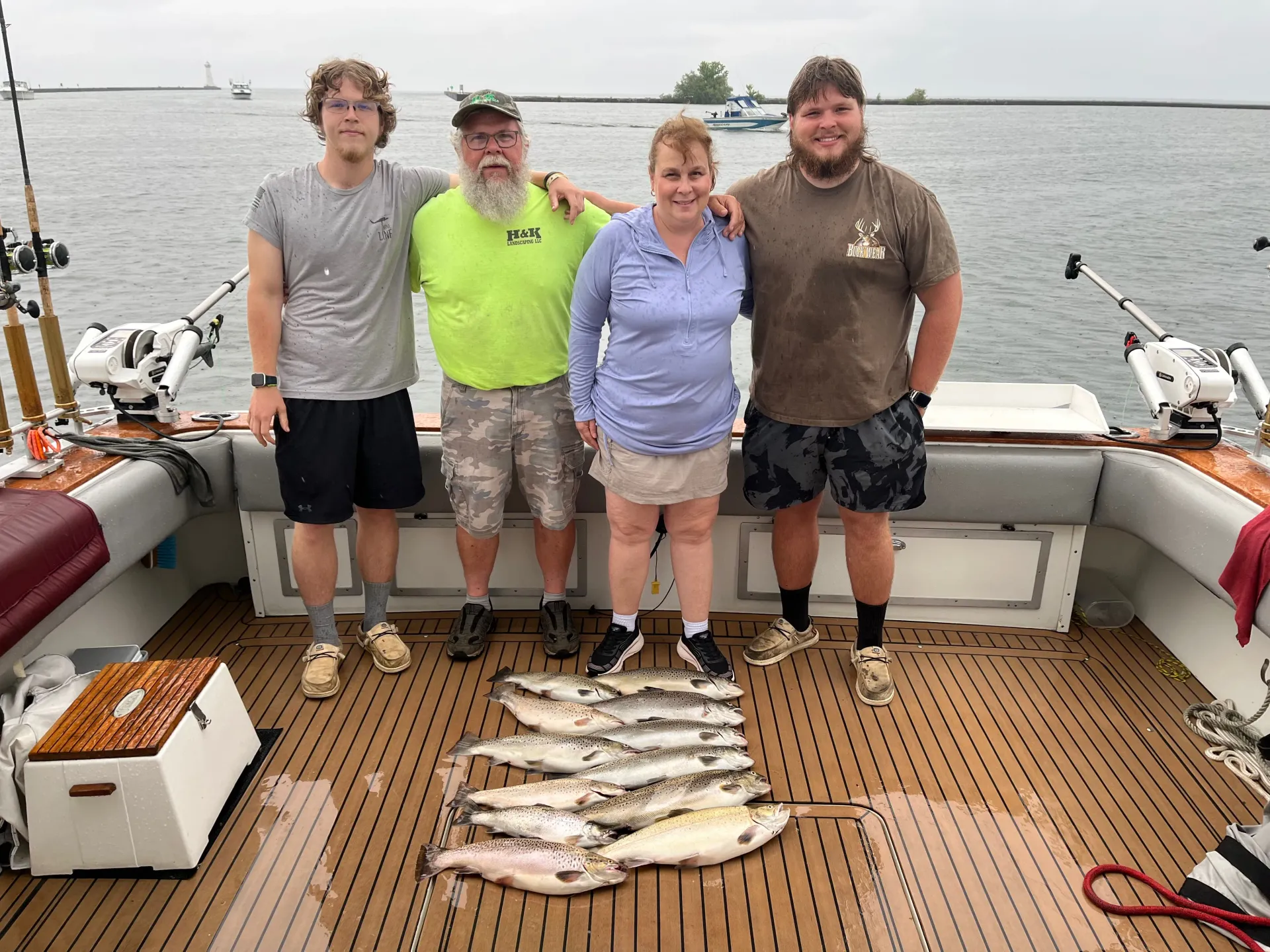
Lake Ontario gets a lot of attention for its salmon fishery, and these includes chinook salmon, coho salmon, even Atlantic salmon draw serious crowds. But a lot of anglers fish right past two species that can make for an equally great day on the water: steelhead and lake trout. Both are also worth targeting, and if you understand how they behave, you can put yourself on fish a lot more consistently across the Great Lakes region.
Steelhead vs. Lake Trout: Know What You're Fishing For
The only thing in common that these two species shares is the same lake but almost nothing else. Steelhead trout, also called rainbow trout in their resident form, are aggressive fish, fast, and they'll let you know it. When one hits, you'll feel the explosion, and if you're lucky, you'll watch it clear the water. Ontario steelhead move with baitfish, suspend higher in the water column, and their location changes with temperature and forage. Great lakes steelhead are known for their size and fight, making them one of the more sought-after trophy fish in the region.
Lake trout are a different type. They stay deep, they stay cold, and they stay close to structure. A laker's fight is heavy and stubborn, with lots of powerful runs, and no aerials. They're more predictable to locate, but they demand precise depth control to catch consistently. Brown trout occupy a middle ground, often holding shallower than lake trout but deeper than steelhead, and they're more common than most visiting anglers expect. Brown trout fishing on Ontario can be outstanding when you stumble onto the right conditions.
Running the same spread for all three species won't work. You must fish for one or adjust deliberately to cover multiple Lake Ontario fish species in the same outing.
Seasons Matter More Than People Think
Spring is the most accessible time to target both species. The warming water pulls baitfish toward shore, and steelhead and lake trout will follow. This is also the time when river fishing picks up. The Niagara River, the Grand River, the Saugeen River, the Nottawasaga River, and the Beaver River all see steelhead runs that draw anglers from across the province and beyond. Drift fishing and float fishing, including centerpin fishing, are the go-to methods on most Ontario rivers, and the fishing trip experience on moving water is completely different from what you get offshore.
For lake fishing, spring opens water that gets tougher to fish productively as the season progresses. Smaller boats or anglers who prefer staying closer to land have their best window before summer sets in.
By summer, steelhead will move offshore and suspend around temperature breaks wherever baitfish are schooled up. Lake trout sinks deeper as surface temperatures climb and largely park near bottom structure until fall. A spot that held fish in May can be dead water by July.
With Fall, cooling temperatures fire steelhead up, especially near river mouths and shoreline structure. Lake trout becomes more active heading into their spawn. The Salmon River and similar tributaries also see runs of king salmon during this period, and some of the best mixed-bag fishing of the year happens when steelhead, brown trout, and salmon are all moving through the same water.
If you're a flyfishing angler, fall river season is worth planning your fishing trip around. The river action rivals anything you'll find on the Great Lake itself during that window.
Finding Steelhead
Steelhead fishing on Lake Ontario is open-water work. These are not fish that hug the bottom, they suspend and their depth depends on where the temperature breaks are and where the bait is. Anywhere from the surface down to about 80 feet is fair game depending on the day.
One of the most common mistakes is fishing too deep for steelhead. They're usually above the cold water, not in it. If your electronics are showing bait up high and you're dragging everything along the bottom, you're wasting time.
Watch your water temperatures, keep an eye on surface activity, and use your sonar to find the bait schools. Where bait concentrates, steelhead usually aren't far behind. This holds true whether you're fishing Lake Ontario, Lake Erie, Lake Huron, or Lake Superior where the behavior is consistent across the Great Lake system.
Finding Lake Trout
Lake trout fishing is more straightforward to pattern because these fishes are creatures of habit. They want cold water, they want structure, and they want to be close to the bottom. Underwater humps, reefs, drop-offs, rocky points or anywhere the contour changes and bait gather, you'll find lakers.
During the warmer months, expect to be fishing between 70 and 150 feet, or sometimes deeper. Electronics are necessary here. When you find fish suspended off structure, you need to know exactly how far down they are to get your presentation into the right zone. Lake trout fishing is about patience and precision more than any other species on the lake.
Best Baits and Lures for Steelhead
Spoons are the workhorse. They cover water, they flash, and their erratic action draws aggressive strikes from fish that are actively feeding. Silver, blue, UV, and bright finishes all have their moments depending on clarity and light. These are among the best baits to start with before you know how the fish are responding on a given day.
Trolling flies behind attractors also produce well, particularly during offshore bites. Speed is important here more than a lot of anglers give it credit for because steelhead want a faster presentation. If you're not getting strikes and you've tried depth changes, bump your speed up before you start changing hardware.
Best Baits and Lures for Lake Trout
Slow down. That's the main adjustment when you shift from steelhead to lake trout fishing.
Dodgers and flashers work well in deeper water because they generate vibration and flash that carry farther. Pair them with flies, soft plastics, or bait rigs and you have a solid setup. Heavy spoons that hold depth are useful. When fish are pressured or in a slow mood, tube jigs and cut bait rigs can pull strikes from fish that ignore everything else, the scent presentation makes a difference, and these rank among the best baits for turning a slow bite around.
Salmon fishing tactics, particularly the flasher-and-fly setups used for chinook and coho salmon, also works well to deep lake trout. If you're already rigged for salmon, you're not far off from a productive lake trout spread.
Trolling the Right Way
Trolling works because it lets you cover water efficiently while dialing in your depth. The challenge is that steelhead and lake trout want different speeds and different zones, so you must decide how you're fishing or set up a spread that covers both.
Running multiple lines at different depths helps you figure out productive zones faster. Keep a close eye on your electronics throughout the day, where bait schools move, fish move, and temperatures change. The anglers who adjust are the ones who catch fish when conditions change.
Gear That Makes a Difference
Medium-heavy trolling rods with enough backbone to handle deep presentations but enough flex to fight fish properly are the standard on Ontario. Line-counter reels are worth having because repeating productive depths consistently is a lot easier when you know exactly how much line is out.
Braided line with fluorocarbon leaders gives you the sensitivity and low visibility that trolling open water demands. Downriggers are the most important piece of equipment on the boat where precise depth control is everything, especially in summer when fish are stratified. Planer boards and divers round out a spread and help you cover more water.
One more thing worth mentioning: before your fishing trip, make sure your Ontario fishing license is current and that you're familiar with local fishing regulations. Rules around season dates, size limits, and possession limits can vary by species and zone, and enforcement on Lake Ontario is not casual.
Targeting Both Species on the Same Trip
It's completely possible, and most of Ontario charter captains do it intentionally. Since steelhead run shallower and lake trout run deeper, a spread with lines set at multiple depths can put you in contact with both, along with brown trout and salmon if they're in the area.
Shallow lines targeting suspended steelhead, deeper setups dragging near bottom structure, then you're covering the whole water column and giving yourself the best shot at whatever Lake Ontario fish species is most active. This approach works well in summer when both species are holding offshore at the same time.
Ice fishing for lake trout is also worth considering if you're on the lake in winter. Northern Ontario anglers have long known that lakers stay active under the ice, and jigging for them through a hole is a completely different experience than trolling, which is slower, more deliberate, and genuinely rewarding when you connect with a big fish.
Conclusion
Steelhead and lake trout are two very different fisheries that happen to share the same water. Steelhead fishing is about speed, aggression, and finding where bait is stacked up in the water column. Lake trout fishing is about patience, structure, and keeping your presentation in a precise depth window. Throw brown trout and salmon into the mix and Lake Ontario becomes one of the most varied and productive fisheries in the Great Lakes region.
Get those fundamentals right, then fish the right depths, use the best baits for the conditions, stay current on fishing regulations, and adjust as conditions change then you'll have days on Lake Ontario that are worth talking about for a long time.
%2F%2Fguide_websites%2F120578%2Fimages%2F1772674111887480829416_986042236926282_7495231552893555827_n.jpg&w=1920&q=75)