%2Ffit-in%2F250x250%2Fguide_websites%2F120578%2Fimages%2F1776447172622image-2026-04-17t133240.896.jpg&w=1920&q=100)
Pink Salmon Fishing Charter in Sodus Point NY
Lake Ontario Salmon Fishing - What to Expect
%2F%2Fusers%2F8e939418-f2c1-4773-bacc-ac68dcb74fce%2Fimages%2Fpink-salmon-sodus-point-fishing-2733.jpg&w=1920&q=75)
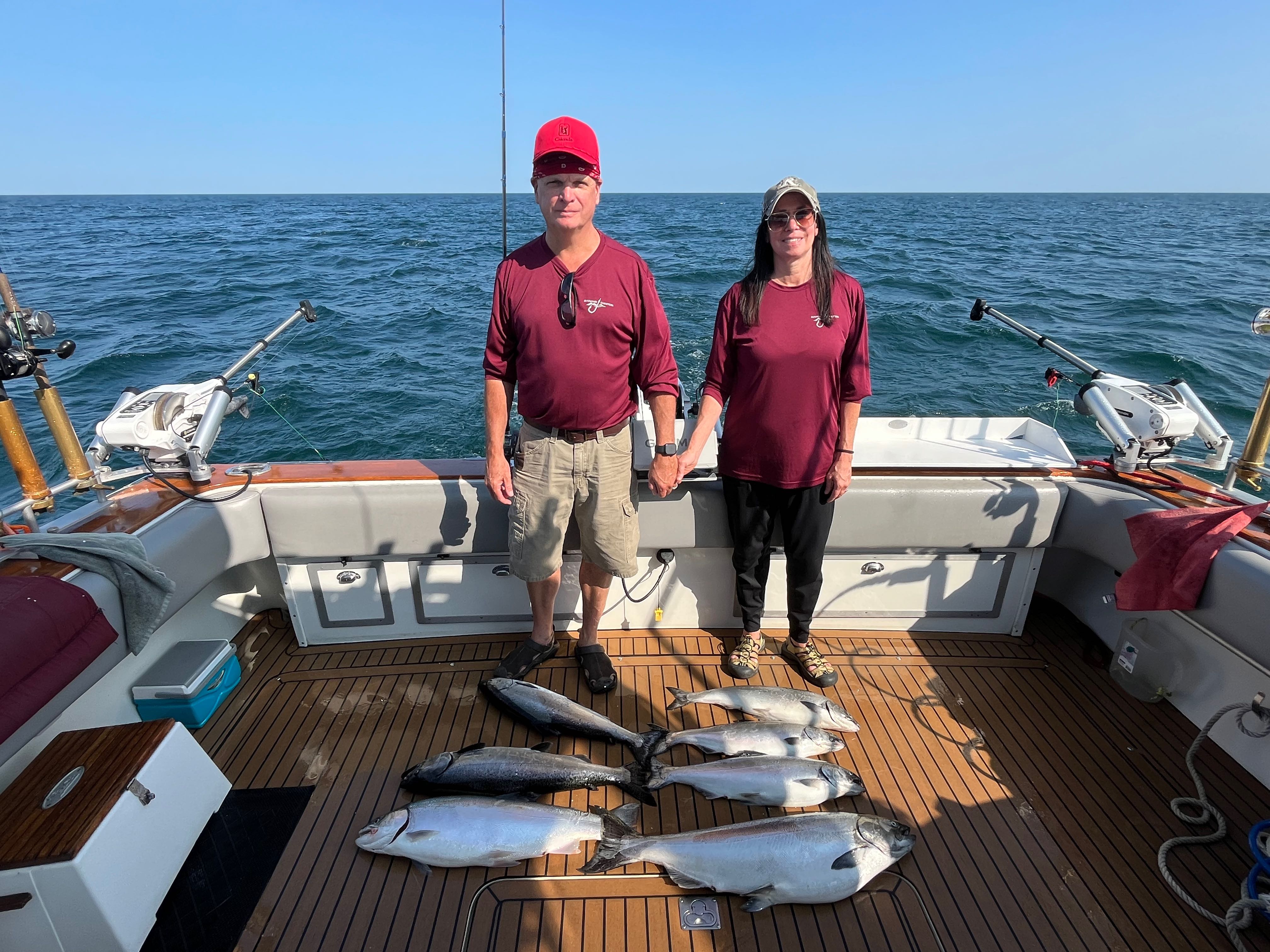
Fishing Charter by Captain Jim Delreal in June
- Lake Ontario Salmon Charters Sodus Point



Summary
Experience an explosive salmon fishing charter on Lake Ontario with Captain Jim Delreal of Diamond J Charters. This Sunday in June delivers non-stop action as anglers land multiple pink salmon and encounter Dolly Varden. Precision techniques and local expertise turn every cast into potential gold on these productive waters.
Fishing Charter with Captain Jim Delreal - Rates & Booking
Captain Jim Delreal of Diamond J Charters delivered an unforgettable salmon fishing charter on Sunday, June 22 on Lake Ontario. This productive fishing charter showcases the explosive potential of Sodus Point waters during peak season. The day yielded multiple pink salmon on the deck, demonstrating the consistent action anglers experience when booking with an experienced local guide. Book your own high-action charter by contacting Diamond J Charters to secure your date on these richly stocked waters.
Highlights of Salmon Fishing on Lake Ontario
Lake Ontario delivers non-stop casting and consistent hook-ups when conditions align. Pink salmon runs create windows of intense opportunity where multiple fish per angler becomes the norm rather than exception. The combination of aggressive feeding behavior and accessible depths near Sodus Point means more time fighting fish and less time waiting.
Landing multiple salmon on a single charter reveals the abundance that draws anglers back season after season. The visual proof on the boat deck - multiple pink salmon stacked together - represents hours of teamwork, precision casting, and reading the water's subtle signals that separate productive days from typical ones.
Local Species Insights: Pink Salmon and Dolly Varden
Pink salmon dominate Lake Ontario runs during their peak season, exhibiting aggressive feeding patterns that make them explosive targets for charter anglers. These fish strike hard and fight harder, providing the physical intensity that keeps reels screaming and adrenaline pumping throughout the day. Their vibrant coloration and powerful runs make them instantly recognizable and genuinely rewarding to land.
Dolly Varden presence adds another dynamic to Lake Ontario's ecosystem. These char-like fish inhabit similar depths and can surprise anglers fishing for salmon. Both species thrive in the cold, nutrient-rich waters surrounding Sodus Point, creating an environment where multiple species interactions occur naturally during the fishing day.
The habitat around Sodus Point - rocky structure, drop-offs, and current breaks - concentrates both pink salmon and Dolly Varden during their seasonal migrations. These geographic features funnel fish into predictable zones where experienced guides like Captain Jim position clients for maximum encounters. The natural bathymetry transforms this stretch of Lake Ontario into a genuine hotspot.
Understanding species behavior elevates your fishing success. Pink salmon respond to specific lure colors, retrieve speeds, and depth presentations. Charter guides fine-tune these variables daily based on conditions, water temperature, and seasonal patterns. Booking with an experienced captain means accessing knowledge that takes solo anglers years to accumulate.
Plan Your Salmon Fishing Day
A typical Lake Ontario salmon charter with Diamond J Charters revolves around reading water conditions, identifying productive zones, and executing precise casts across promising structure. Expect to cover multiple locations throughout your trip, following fish activity and seasonal patterns. The pace moves fast - when you're landing multiple salmon, downtime disappears.
Anglers should bring appropriate rain gear, sunscreen, and polarized sunglasses to handle variable Lake Ontario conditions. Most charters provide fishing tackle and guidance on technique, but confirm gear inclusions when booking. The boat setup accommodates small groups effectively, allowing multiple anglers to fish simultaneously without crowding. Safety briefings and comfort amenities ensure you stay focused on the fishing rather than worrying about logistics.
Fishing in Lake Ontario: Pink Salmon and Dolly Varden
Pink Salmon Overview
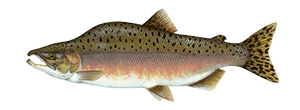
The Pink Salmon (Oncorhynchus Gorbuscha) is a member of the Salmonidae family within the order Salmoniformes, making it part of one of the most prized fish families in the world. Also affectionately known as the Humpback Salmon, this species is the smallest yet most abundant of all Pacific Salmon. What sets them apart visually is their characteristic slight hump on their back—a feature that inspired their common name and makes them instantly recognizable to both seasoned anglers and newcomers to the sport. These fish are also notable for their large black oval spots covering their back and tail fins, as well as their deep forked tail structure. Unlike many salmon species, Pink Salmon lack teeth on their tongues, a unique adaptation that distinguishes them from their cousins. Whether you're fishing in pristine Alaska waters or exploring salmon runs across the Pacific Northwest, the Pink Salmon remains one of the most accessible and rewarding species to pursue.
Pink Salmon Habitat and Distribution
Pink Salmon are native to Pacific and Arctic coastal waters and rivers throughout North America and Asia, thriving in environments where cold, clean water flows freely. These fish are particularly abundant in rivers and streams, though they also inhabit creeks, lakes, and sea basins. They prefer water temperatures hovering around 10 degrees Celsius, which is why they're predominantly found in northern latitudes where such conditions persist year-round. The species follows a fascinating anadromous migration pattern, spending much of their lives in the ocean before returning to freshwater systems to spawn. Major populations can be found in Alaska, British Columbia, Washington State, and along the coasts of Japan and Russia. In freshwater systems, look for them in clear, fast-moving rivers with gravel bottoms—the ideal spawning substrate. Coastal onshore areas, particularly near river mouths and estuaries, are prime locations to encounter these fish during their runs.
Pink Salmon Size and Weight
Pink Salmon are notably smaller than their Pacific Salmon relatives, typically weighing between 3 to 5 pounds and measuring 20 to 30 inches in length. The average Pink Salmon encountered during typical fishing adventures weighs around 4.8 pounds, making them an ideal target for anglers of all skill levels. While most catches fall within this range, exceptional specimens have been recorded reaching up to 30 inches and weighing approximately 15 pounds—a remarkable size that makes for an unforgettable trophy. Their relatively modest size compared to Chinook or Coho Salmon doesn't diminish their fighting ability; in fact, pound-for-pound, Pink Salmon are known for their spirited resistance and acrobatic leaps, making them exciting to hook and land.
Pink Salmon Diet and Behavior
Pink Salmon are opportunistic feeders with a diet that shifts based on their life stage and environment. In their oceanic phase, they primarily consume plankton, which forms the foundation of their diet and contributes to their distinctive pink coloring—the crustaceans they eat contain natural pigments that stain their flesh pink. As they grow and mature, their palate expands to include smaller fish, squid, and occasionally aquatic insects. This diverse diet makes them responsive to a wide variety of lures and baits. During their spawning migration upstream, their feeding behavior diminishes considerably as they focus their energy on reproduction. In freshwater, they become less interested in food but remain aggressive toward artificial lures, likely due to territorial instincts rather than hunger. Their behavior is heavily influenced by their two-year life cycle, which is notably shorter than other Pacific Salmon species, creating predictable runs and abundant opportunities for anglers.
Pink Salmon Spawning and Seasonal Activity
Pink Salmon exhibit one of the most dramatic life cycles in the fish world, with a strictly two-year lifespan that creates highly predictable population cycles. Odd-year and even-year populations spawn in alternating years, which is why you'll notice Pink Salmon abundance fluctuates dramatically from year to year in many regions. Their spawning migration typically occurs in late summer through early fall, triggered by decreasing water temperatures and daylight hours. During their upstream migration, Pink Salmon undergo remarkable physical transformations: their sleek silver bodies develop deeper coloring, their distinctive hump becomes more pronounced, and their jaws become hooked. This transformation is so dramatic that some anglers barely recognize them as the same species they were months earlier in the ocean. Peak fishing season generally runs from July through September, coinciding with their upstream migration. Once they reach their spawning grounds—typically in clear, gravel-bottomed tributaries—they spawn and die, completing their life cycle.
Pink Salmon Techniques for Observation and Capture
Method 1: Casting with Artificial Lures
For casting, equip yourself with a medium-action rod paired with a reel capable of holding at least 150 yards of 8 to 10-pound test line. Brightly colored jigs are your best friends here—particularly pink jigs, which work on the theory that they mimic the appearance of crustaceans and fool the fish into striking. Many successful anglers enhance their jigs' attractiveness by smearing them with fish oil, herring oil, or squid oil before casting. The oils create a scent trail that draws Pink Salmon from considerable distances. Target deeper pools and current breaks in rivers, especially near the confluence of tributaries where fish rest during their upstream journey.
Method 2: Hoochie and Spoon Techniques
Pink hoochies—lures that resemble squid—are exceptionally effective, particularly in saltwater and nearshore environments. Pair these with a jigging motion to create a lifelike swimming action. Spoons in silver and pink finishes also produce excellent results, especially when worked near underwater structure. The flash and flutter of these lures appeal to the aggressive instincts of migrating salmon preparing to spawn.
Method 3: River Mouth and Estuary Fishing
Fish river mouths and estuaries during high tide when saltwater pushes upstream, concentrating the fish in predictable zones. Around popular Pacific Northwest fisheries, the confluence of major rivers with the ocean provides some of the most productive Pink Salmon fishing opportunities. Local guides in regions like Alaska and British Columbia often focus on these transition zones where freshwater meets salt water, as fish often pause here before committing fully to their upstream migration.
Pink Salmon are considered an excellent species for beginners—their abundance, aggressive feeding behavior, and willingness to strike lures make them perfect for anglers just starting to mimic professional techniques and gain confidence on the water.
Pink Salmon Culinary and Utilization Notes
Pink Salmon has earned its place as a beloved food fish, prized for its distinctive pink flesh and nutritional profile. The pink coloring comes directly from the carotenoid pigments in crustaceans they consume—eat the crustaceans, and you get the pigmented flesh. This fish is rich in omega-3 fatty acids, making it a heart-healthy protein choice, though those with elevated uric acid levels should consume it in moderation as it may contribute to gout. Culinary versatility is one of the Pink Salmon's greatest strengths: it can be smoked, baked, fried, or grilled with excellent results. Many chefs employ the poêle method, cooking the fish in its own juices to achieve a crispy exterior while maintaining a tender, moist interior. In Asian cuisines, Pink Salmon shines in multiple preparations—Japanese chefs serve it raw as sushi or nigiri (known as Sake), while Southeast Asian traditions feature it grilled or as part of Sinigang, a tangy tamarind soup typically containing vegetables like swamp cabbage, tomatoes, and eggplant. The belly is particularly prized for its concentrated omega-3 content and rich flavor, while Eastern culinary traditions often utilize the head for stocks and soups.
Pink Salmon Frequently Asked Questions
Q: What is the best bait and lure setup for catching Pink Salmon?
A: Brightly colored jigs—especially pink ones—enhanced with fish oil, herring oil, or squid oil are highly effective. Pink hoochies (squid-like lures) and silver or pink spoons also work well. Medium-action rods with 8 to 10-pound test reels are the standard setup. Live herring can be productive in certain situations, though artificial lures tend to outperform bait for Pink Salmon due to their aggressive nature during spawning runs.
Q: Where can I find Pink Salmon near major fishing destinations?
A: Pink Salmon are abundant throughout Alaska, British Columbia, and the Pacific Northwest. Look for them in river systems, particularly at river mouths and estuaries where freshwater meets salt water. Major rivers like the Chilkat, Taku, and Kenai in Alaska, plus countless British Columbia streams, experience significant runs. In Washington State, the Snoqualmie and Green Rivers provide excellent access. Timing your visit during July through September—peak spawning season—dramatically increases your success.
Q: Is Pink Salmon good to eat, and what's the healthiest way to prepare it?
A: Absolutely. Pink Salmon is excellent eating and an outstanding source of omega-3 fatty acids. For maximum health and flavor, consider baking, grilling, or the poêle method (cooking in its own juices for crispy skin). The belly portion contains the highest concentration of beneficial oils. However, those with gout or high uric acid should consume it in moderation. Raw preparations like sushi are safe if the fish has been properly handled and frozen according to food safety guidelines.
Q: When is the absolute best time to fish for Pink Salmon?
A: Late summer through early fall—typically July through September—marks peak season when fish are actively migrating upstream to spawn. Odd and even-year population cycles mean abundance varies by year, so check local fishing reports. Early morning and late evening typically provide the best action, as fish are less active and more cautious during bright midday hours.
Q: How do I identify a Pink Salmon from other salmon species?
A: Look for the distinctive slight hump on their back (particularly pronounced in spawning fish), large black oval spots on their back and tail, a deep forked tail, and their relatively small size compared to other Pacific Salmon. In spawning phase, their coloring shifts from bright silver to darker tones. An anal fin containing 13-17 soft rays is also a reliable identifier. If you're unsure, local fishing guides and marina staff can verify your catch immediately.
Q: Why do Pink Salmon populations vary so dramatically year to year?
A: Pink Salmon follow a strict two-year life cycle, and populations are segregated into odd-year and even-year runs. This means abundance alternates predictably between years. Some regions experience massive runs one year, followed by minimal populations the next year. This pattern is completely natural and makes salmon runs easier to predict—simply consult historical data for your target region to determine which year will offer the best fishing.
Dolly Varden Overview
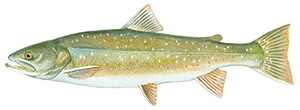
The Dolly Varden (Salvelinus malma) is a striking char species belonging to the family Salmonidae and order Salmoniformes. Named after a colorful character from Charles Dickens' novel Barnaby Rudge—a fitting tribute given the fish's vibrant red-orange and pale yellow spots—the Dolly Varden is a prized game fish throughout the Northern Pacific region, from Alaska to Russia to British Columbia. What makes this species particularly fascinating is that it's often confused with the bull trout, yet it stands apart with its more rounded body, smaller head, and less aggressive lower jaw profile. Whether you're an experienced angler or a curious outdoor enthusiast, the Dolly Varden represents one of the most exciting freshwater and anadromous fishing experiences available in North America and beyond.
Dolly Varden Habitat and Distribution
Dolly Vardens thrive in the cold, clear waters of the Northern Pacific basin, where they've adapted to both freshwater and saltwater environments. These migratory fish are found across an impressive geographic range that includes Alaska, British Columbia, Russia, Japan, North Korea, the Arctic Sea, and the Bering Strait. Their lifestyle is particularly intriguing: during winter months, they inhabit saltwater environments, transitioning to nearshore waters as summer approaches. Come spring, many populations move into large lakes, and in fall they undertake spawning migrations back to the streams where they were originally born. This anadromous behavior—moving between salt and freshwater—makes them uniquely adapted to both ecosystems. The cold, oxygen-rich rivers and pristine lake systems of Alaska and British Columbia provide ideal habitat, where they share waters with salmon and other char species in some of the most untouched wilderness areas on the continent.
Dolly Varden Size and Weight
Dolly Vardens are impressive fish that can reach substantial sizes, typically ranging from 30 to 50 inches in length, with weights varying from 3 to 27 pounds depending on their environment and lifespan. Most anglers encounter fish in the mid-range—around 12 to 18 inches and 1 to 5 pounds—but trophy-sized individuals exceeding 20 pounds are not uncommon in well-managed fisheries. These fish reach maturity relatively quickly, beginning reproductive cycles when they measure just 3 to 6 inches in length. With a potential lifespan of up to 16 years in ideal conditions, Dolly Vardens have ample time to grow into formidable adversaries. The variation in size often depends on their access to abundant food sources, particularly during salmon spawning seasons when they gorge on salmon roe and other spawning salmon.
Dolly Varden Diet and Behavior
One of the most distinctive behaviors of the Dolly Varden is their passionate attraction to salmon roe, making them voracious feeders during salmon spawning periods. However, their diet is remarkably diverse and opportunistic. Beyond roe, they readily consume aquatic insect naiads, flying insects, small crustaceans like crayfish, amphibians, and smaller fish species. This dietary flexibility allows them to thrive in varied environments and seasons. Dolly Vardens are also known for their aggressive, competitive nature—they're fierce fighters that don't hesitate to strike at moving prey or bait. They exhibit strong schooling behavior, particularly during spawning migrations, and are known to make dramatic leaps and powerful runs when hooked, often testing the limits of fishing line and angler patience. Their predatory instincts and willingness to feed make them reliable targets for anglers throughout their range, though their abundance means populations remain healthy despite recreational and subsistence fishing pressure.
Dolly Varden Spawning and Seasonal Activity
The spawning cycle of Dolly Vardens is one of nature's most dramatic transformations. During fall spawning season, mature males undergo striking physical changes: their jaws become strongly hooked (a condition called a kype), and they develop brilliant orange streaking along their black and white bellies. Females, while less dramatically colored, still show intensified coloration patterns. These fish are remarkably consistent spawners, returning nearly every year to the streams of their birth to reproduce, which contributes to maintaining healthy, abundant populations. Before the salmon spawning period begins, Dolly Vardens position themselves at river mouths and lake outlets, waiting for the abundance of roe and dying salmon that signals prime feeding opportunities. Their spawning success—producing large populations regularly—means they remain relatively unaffected by fishing pressure and are classified as highly abundant rather than vulnerable. This seasonal predictability makes planning a Dolly Varden fishing trip straightforward for anglers who time their visits around salmon runs.
Dolly Varden Techniques for Observation or Capture
Method 1: Salmon Roe Presentations (Peak Effectiveness) The most productive approach is using fresh or preserved salmon roe as bait, timed during active salmon spawning seasons (typically late summer through fall). This method works best in river systems where salmon are actively spawning. Use traditional trout gear—a 6 to 8-foot medium-action rod with 4 to 8-pound test line—and present the roe in pocket water just downstream of spawning salmon. Fish the roe under a small float or on the bottom with a light weight, allowing it to drift naturally with the current. Around Alaska's premier rivers like the Kenai or the Nushagak, this technique produces consistent action, often resulting in multiple hook-ups per day during peak salmon runs.
Method 2: Small Spoons and Spinners (Year-Round Option) When salmon roe isn't available or practical, small metallic spoons (1/4 to 1/2 ounce) and spinners work exceptionally well, particularly in lakes and slower river sections. Cast these lures and retrieve with a steady or varied cadence to mimic fleeing baitfish. The flash and vibration trigger aggressive strikes. This method is effective throughout spring and summer when Dolly Vardens congregate in nearshore lake waters and river pools. Vary your retrieval speed and try different colors—silver, gold, and chartreuse patterns tend to produce well.
Method 3: Fly Fishing with Streamers (Scenic and Rewarding) In river systems, streamer flies that imitate small baitfish or salmon fry produce exciting results. Use 6 to 8-weight fly rods with sinking or intermediate lines to reach feeding fish in deeper pools. Strips and jerks of the fly line trigger strikes. Fish streamers during low-light periods—early morning and dusk—for peak activity. Around British Columbia's pristine river valleys, fly fishing for Dolly Vardens combines world-class angling with breathtaking wilderness scenery.
Dolly Varden Culinary and Utilization Notes
Dolly Vardens possess average odds as a food fish, meaning they're edible and reasonably palatable but not considered premium table fare compared to other salmonids like Atlantic or Pacific salmon. The flesh tends to be softer and less flavorful than larger salmon species, though fish caught in pristine, cold waters are superior to those from warmer environments. The fish are generally better appreciated for their recreational and cultural value—indigenous communities throughout their range have harvested Dolly Vardens for generations as part of subsistence traditions. Modern anglers often practice catch-and-release to preserve populations and enjoy the sport rather than the culinary reward. However, in areas where they're abundant and regulations permit harvest, they remain a viable food source. Their abundance and rapid reproduction make them a sustainable choice if kept for consumption, and many anglers appreciate their firm texture when smoked or prepared fresh.
Dolly Varden Frequently Asked Questions
Q: What is the best bait for catching Dolly Vardens?
A: Salmon roe is unquestionably the most effective bait, particularly during active salmon spawning seasons. The natural attraction is nearly irresistible, and presentation under a float in flowing water produces consistent results. Small spoons and spinners are reliable alternatives when roe isn't available, and they work year-round.
Q: Where can I find Dolly Vardens near Alaska's major cities?
A: In Alaska, trophy-sized Dolly Vardens are abundant in the rivers feeding into Bristol Bay, including the Kenai River near Anchorage and the Nushagak system. British Columbia's coastal rivers and lakes from Vancouver Island northward also hold excellent populations. Most are accessible via fly-in services or float plane from regional hubs.
Q: Why are Dolly Vardens called that—is it really named after a person?
A: Yes! The name comes from a character in Charles Dickens' novel Barnaby Rudge. Dolly Varden, a character known for wearing bright, colorful clothing, inspired the name because the fish's vibrant red-orange and pale yellow spots resemble splashy fashion. German naturalist Johann Walbaum formally named the species in 1792. Interestingly, the Russians call it belyi golets, and the scientific name malma derives from a local Russian word for fish.
Q: When is the best time to catch Dolly Vardens?
A: Peak season is during salmon spawning runs in fall (September through October), when these fish are most actively feeding on roe. However, they're catchable throughout summer in lakes and river systems where they congregate. Spring, when they move from saltwater to lakes, also offers good opportunities. Avoid winter unless you're specifically targeting them in saltwater environments where they spend the cold months.
Q: Are Dolly Vardens strong fighters?
A: Absolutely! They're renowned for being fierce, aggressive fighters known for breaking light fishing line and making spectacular runs and leaps. For their size, they punch well above their weight, making them an exciting game fish. This characteristic is why they're regulated in the US and Canada despite their abundance—anglers value them highly for the sporting challenge.
Q: How can I distinguish a Dolly Varden from a bull trout?
A: While they're often confused, Dolly Vardens have a more rounded body profile, a smaller head, and a less prominent lower jaw compared to bull trout. Both belong to the char genus, and the Arctic char was historically called a Dolly Varden, which adds to the confusion. In spawning condition, the male Dolly Varden's bright orange belly stripe and more pronounced coloration make identification easier.