Coho Salmon Fishing Charter at Sodus Point NY
Coho Salmon Fishing in Sodus Point - What to Expect

Fishing Charter by Captain Jim Delreal in September
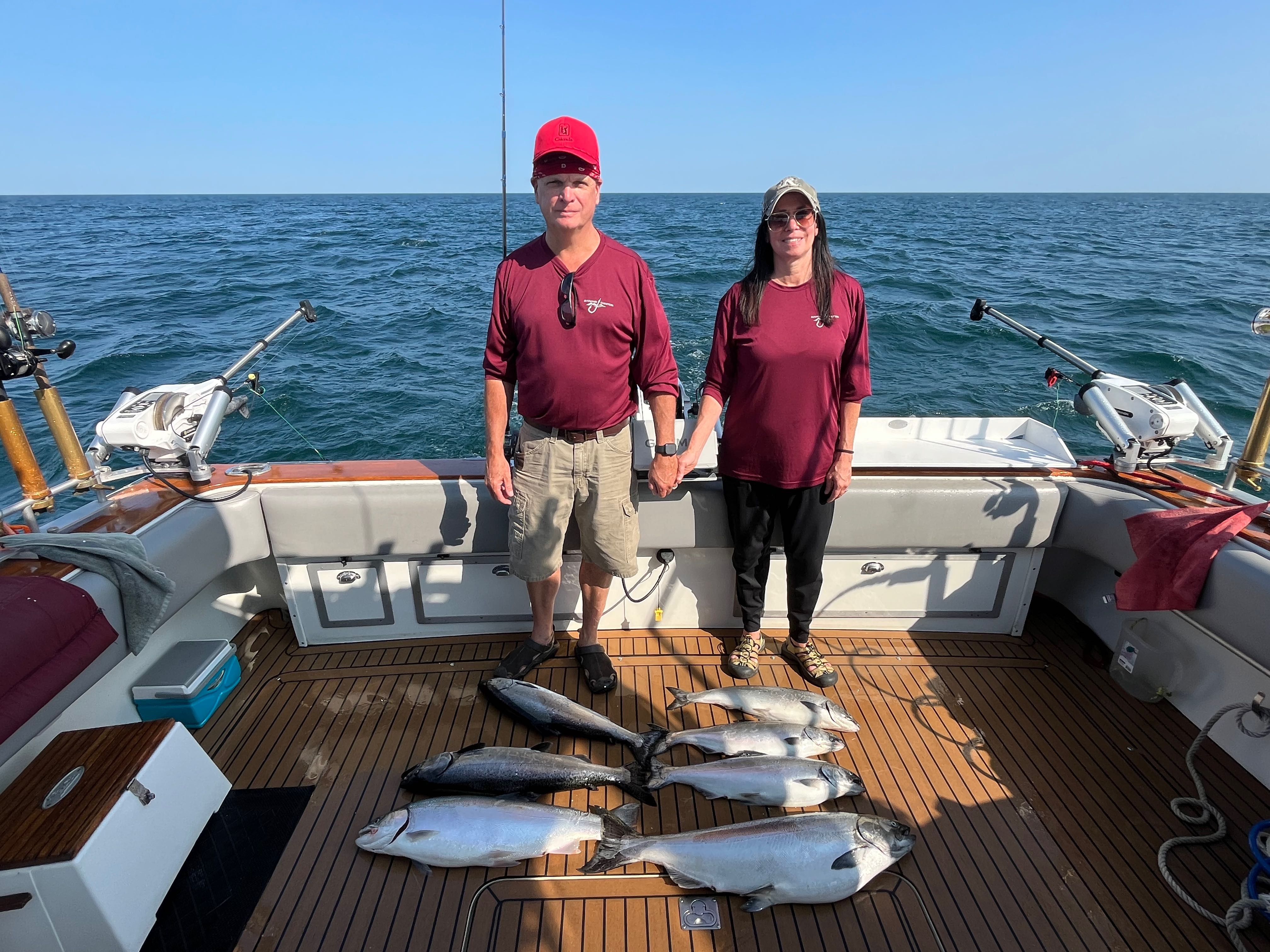
- Lake Ontario Salmon Charters Sodus Point


Summary
Join a fishing charter on Lake Ontario in Sodus Point for an unforgettable coho salmon experience. Captain Jim Del Real of Diamond J Charters guides anglers through pristine waters where silver-sided coho roam, delivering the kind of fresh-caught trophy moments that define a memorable day on the water.
Coho Salmon Fishing with Captain Jim Del Real - Rates & Booking
Captain Jim Del Real of Diamond J Charters welcomes anglers to Lake Ontario on Sunday, September 13th for an exciting coho salmon fishing charter. This fishing charter is designed for those seeking an authentic lake experience with a seasoned guide who knows these waters intimately. Whether you're a seasoned angler or stepping onto a boat for the first time, the charter adapts to your skill level and fishing goals.
To reserve your spot or inquire about rates and availability, contact Diamond J Charters directly. Captain Jim handles all the details to ensure you're ready for a day of active fishing and trophy moments on the water.
Highlights of Your Coho Salmon Adventure
Lake Ontario's coho salmon are prized for their spirited fight and impressive size. When these silver-sided fish take your line, you'll feel the power that makes them one of the Great Lakes' most rewarding catches. The waters around Sodus Point offer prime coho habitat, and September presents ideal conditions as fish school and feed actively in preparation for their spawning season.
The experience isn't just about landing fish—it's about being on the water as the day unfolds. Sodus Point's protected harbor gives way to open lake waters where the horizon stretches endlessly. You'll work alongside an experienced captain who reads the water, adjusts tactics on the fly, and shares the knowledge that comes from years on these waters.
Local Species Insights: Coho Salmon
Coho salmon are migratory fish that return to Lake Ontario's tributaries each fall. These fish are known for their aggressive nature and acrobatic runs when hooked. In the lake environment, coho are sleek and powerful, with silver sides and subtle markings that help them blend with open water. They feed on baitfish and respond well to trolling and casting techniques that mimic natural prey.
What makes coho fishing on Lake Ontario special is the combination of their size—many exceed 8 to 12 pounds—and their willingness to strike. Unlike some species, coho are predictable in their behavior during their migration window. They school, they feed heavily, and they provide the kind of consistent action that keeps anglers engaged throughout the day. The cooler September waters trigger peak feeding activity, making this an excellent time to pursue them.
Sodus Point's location on Lake Ontario puts you in prime coho territory. The deep water offshore and the productive shallows near the harbor create a dynamic fishing environment. Captain Jim's expertise lies in identifying where coho are holding on any given day and positioning the boat to maximize your casting and trolling opportunities.
Beyond the fishing itself, there's something deeply satisfying about landing a coho. These fish represent a successful migration from the ocean back to freshwater. They're prized by anglers worldwide, and catching one on Lake Ontario connects you to a broader fishing tradition. The moment your coho breaks the surface, silver flashing in the light, is the moment you'll understand why fishermen return to these waters year after year.
Fishing in Lake Ontario: Coho Salmon
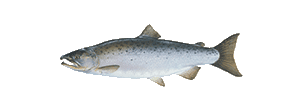
Coho Salmon (Oncorhynchus Kisutch) is one of the most sought-after game fish in the Salmonidae family, belonging to the order Salmoniformes. Known affectionately as silver salmon for its brilliant silvery coloration, this acrobatic fighter is famous among anglers for its tremendous leaping ability and fierce strikes. With a dark blue-green back, silvered sides, and distinctive black spots adorning its upper body, mature Coho salmon undergo a dramatic transformation during spawning season, developing maroon to reddish flanks and darkened backs. What makes this species truly special is its incredible migratory journey from freshwater rivers to the open ocean and back again—a testament to nature's most remarkable navigation system. Whether you're fishing in Alaska or exploring the rivers of the Pacific Northwest, encountering Coho salmon is an experience that defines outdoor adventure in these legendary waters.
Coho Salmon Overview
Coho salmon represent one of the Pacific's most prized catches, beloved by both recreational anglers and commercial fisheries. These fish are renowned for their spirited fights, bright orange-red flesh, and exceptional culinary qualities. Unlike their larger Chinook cousins, Coho salmon offer an ideal size for targeting—large enough to be challenging and rewarding, yet manageable for anglers of varying skill levels. The species thrives in the cold, clean waters of the North Pacific, and its presence signals a healthy, thriving ecosystem. For outdoor enthusiasts, pursuing this remarkable species connects you to centuries of fishing tradition and the wild heart of the Pacific Northwest.
Coho Salmon Habitat and Distribution
These remarkable fish are found throughout the North Pacific Ocean, ranging from Alaska streams and rivers down through Southeast Alaska waters to Central California, and extending from Washington and Oregon down to Central California and even reported sightings in Baja California, Mexico. Coho salmon prefer calm, quiet areas sheltered under debris and are commonly found in large rivers with direct ocean access. During their juvenile stage, young fish spend time in freshwater nurseries, gradually transitioning to estuaries where fresh and saltwater mix, before eventually migrating into the open ocean. Famous fishing destinations like Katmai National Park, Alaska have become legendary for their abundant Coho salmon populations. The species demonstrates a preference for cool, well-oxygenated waters and is typically encountered in lakes, rivers, nearshore zones, and onshore areas during different life stages.
Coho Salmon Size and Weight
Typical Coho salmon typically measure between 24 to 43 inches in length and weigh 8 to 12 pounds on average, making them an ideal target for anglers seeking substantial fish without the extreme challenge of pursuing massive Chinook. The species has produced impressive specimens, with the world record Coho caught in the Great Lakes weighing a remarkable 33 pounds 4 ounces—a testament to the exceptional conditions found in these waters. Most anglers expect to encounter fish in the 8 to 15-pound range, which provides excellent sport and reasonable portability. Size varies based on geography, age, and environmental conditions, with ocean-reared fish typically growing larger than their freshwater counterparts. This optimal size range makes Coho salmon particularly attractive to anglers who want a challenging fight without requiring specialized heavy equipment.
Coho Salmon Diet and Behavior
Coho salmon are opportunistic feeders with diverse dietary preferences, consuming aquatic insects, smaller fish species, squid, herrings, pilchards, crustaceans, and sand lance depending on their life stage and environment. Young fish in freshwater primarily hunt insects and small invertebrates, while ocean-dwelling Coho aggressively pursue baitfish and other protein-rich prey. Their predatory nature makes them highly responsive to lures and baits that mimic natural food sources. These fish are famously acrobatic, launching spectacular aerial displays when hooked—some individuals can jump vertically up to 6 feet out of the water. Coho are known for their aggressive behavior during spawning migrations, striking with intensity and fighting fiercely even when exhausted. This combination of intelligence, strength, and athleticism makes them genuinely exciting adversaries that test an angler's skill and equipment. Their behavior changes dramatically as they transition from ocean to river, becoming more selective and protective as they approach their spawning grounds.
Coho Salmon Spawning and Seasonal Activity
Coho salmon undergo one of nature's most compelling transformations during their anadromous life cycle. Females reach spawning maturity at age three and construct carefully engineered gravel nests where they deposit fertilized eggs. Depending on water temperature, eggs typically hatch within 6 to 7 weeks, with hatching occurring in late winter or early spring when water conditions are optimal for fry survival. Males develop their distinctive hooked jaw, called a kype, making it impossible for them to close their mouths—a dramatic physical adaptation that serves their aggressive spawning behavior. Sadly, all Coho salmon die shortly after spawning, having exhausted their biological reserves during the demanding freshwater journey and reproductive process. This ephemeral life story creates urgency and poignancy to their migration, as each fish represents a final, desperate journey home. The spawning season typically occurs in fall and early winter, drawing anglers to rivers throughout Alaska, the Pacific Northwest, and California during peak migration periods.
Coho Salmon Techniques for Observation or Capture
Spin Casting Methods: One of the most effective approaches for Coho salmon involves swinging spinners through fast-moving water sections. This technique capitalizes on the species' aggressive feeding response to flash and vibration. In slower holding water, twitching jigs with long tails generates the lifelike movement that triggers strikes. Opt for jigs that flutter and dance in the current, mimicking wounded baitfish. Float fishing with roe is another proven method suitable for both fast and slow water—simply fasten a cut roe to your hook and allow it to swing naturally into productive zones. Around Katmai National Park, Alaska, these spin-casting techniques consistently produce excellent results during peak season.
Fly Fishing Approach: For those seeking the ultimate connection with Coho salmon, fly fishing delivers unparalleled excitement. A single-hand fly rod with a strong handle provides the lifting power necessary for these aggressive fish. Leaches, minnow patterns, and wooly buggers serve as excellent fly choices, with bright patterns in chartreuse, pink, and fuchsia proven especially effective. The takes are often violent and immediate, providing an adrenaline rush that spinning never quite matches. Early morning or late evening periods typically produce the most aggressive feeding.
Trolling and Live Bait: From boats in nearshore environments, trolling with plugs, spoons, and trolling flies covers significant water and connects anglers with migrating populations. Live minnows and fresh roe presented at depth effectively target deeper-holding fish. This method requires patience but rewards persistence with solid hookups.
Coho Salmon Culinary and Nutritional Notes
Wild Coho salmon stands among the finest fish for culinary purposes, prized for its distinctive bright orange-red meat and exceptional flavor profile. This vibrant coloration indicates superior fat content and omega-3 fatty acids, which provide significant nutritional benefits including heart health support and anti-inflammatory properties. The firm, flavorful flesh handles diverse preparation methods beautifully—grilling, smoking, poaching, and pan-searing all yield outstanding results. Many consider wild Coho superior in taste to farmed alternatives, citing the fish's natural diet and active lifestyle as contributing factors to superior flavor and texture. From a sustainability perspective, wild Coho populations remain relatively healthy in most regions, making them a responsible seafood choice. The species' tremendous taste and nutritional value have made it a cornerstone of Pacific Northwest cuisine for generations, and freshly caught fish offer an unparalleled gastronomic experience.
Coho Salmon Frequently Asked Questions
Q: What is the best bait or lure for catching Coho salmon?
A: Coho salmon respond excellently to multiple presentations. Fresh roe (fish eggs) remains a top choice for its natural scent and appeal. Bright-colored spinners, particularly in silver and gold, trigger aggressive strikes in fast water. Fly fishers succeed with minnow patterns, leaches, and wooly buggers in chartreuse, pink, and fuchsia. Live minnows and small plugs also produce consistent results. The key is matching your presentation to water conditions and seasonal behavior—aggressive lures work best during peak feeding periods.
Q: Where can I find Coho salmon near popular fishing destinations?
A: Coho salmon distribution spans from Alaska streams down through Washington, Oregon, and Northern California. Katmai National Park in Alaska is world-famous for Coho populations, particularly in river systems during peak migration. British Columbia waters hold excellent populations, as do rivers throughout the Pacific Northwest. Check with local fish and game agencies for current run timing and access information, as migration periods vary by latitude and specific river systems.
Q: Is wild Coho salmon good to eat?
A: Absolutely—wild Coho salmon is considered among the finest eating fish available. Its bright orange-red flesh indicates excellent fat content and omega-3 fatty acids. The flavor is rich, distinctive, and universally praised. Sustainability is generally strong for wild populations in most regions, making it a responsible seafood choice. Fresh-caught Coho prepared shortly after capture represents an exceptional culinary experience.
Q: When is the best time to catch Coho salmon?
A: Coho salmon typically migrate into freshwater systems during fall and early winter months, though timing varies by region and specific river. Peak fishing usually occurs September through November, depending on latitude. Ocean fishing opportunities exist throughout the year in many regions. Water temperature significantly influences feeding intensity—actively feeding fish are more likely to strike during optimal conditions. Contact local outfitters or fish agencies for specific timing information for your target area.
Q: How can I identify Coho salmon compared to other Pacific salmon species?
A: Ocean-phase Coho display a distinctive dark blue-green back with bright silver sides and white belly, earning them the nickname "silver salmon." Black spots mark the back and upper tail. Mature spawning fish develop dramatic maroon to reddish sides and darkened backs. Compared to larger Chinook salmon, Coho are noticeably smaller. Pink and Chum salmon are also smaller species but lack the bright silver coloration. The combination of silver sides, dark back, and black spotting pattern makes mature Coho relatively easy to identify.
Q: What makes Coho salmon special for anglers?
A: Coho salmon are legendary fighters, known for spectacular aerial acrobatics—some individuals jump vertically up to six feet from the water. Their aggressive strike, powerful runs, and acrobatic leaps create excitement unmatched by many other species. The optimal size range of 24-43 inches provides genuine challenge without requiring extreme expertise or equipment. Their anadromous migration pattern—moving from ocean to river and back—represents one of nature's most remarkable journeys. For many anglers, pursuing Coho represents the pinnacle of Pacific Northwest fishing adventure.